Packaging is one part of this — the work spans packaging, print production, large format, vinyl wraps, and trade show & event graphics across five very different clients. The common thread isn’t a single output type; it’s the ability to understand what needs to be produced, interpret technical requirements, prepare accurate production files, work within spec, troubleshoot, and get the physical result right.
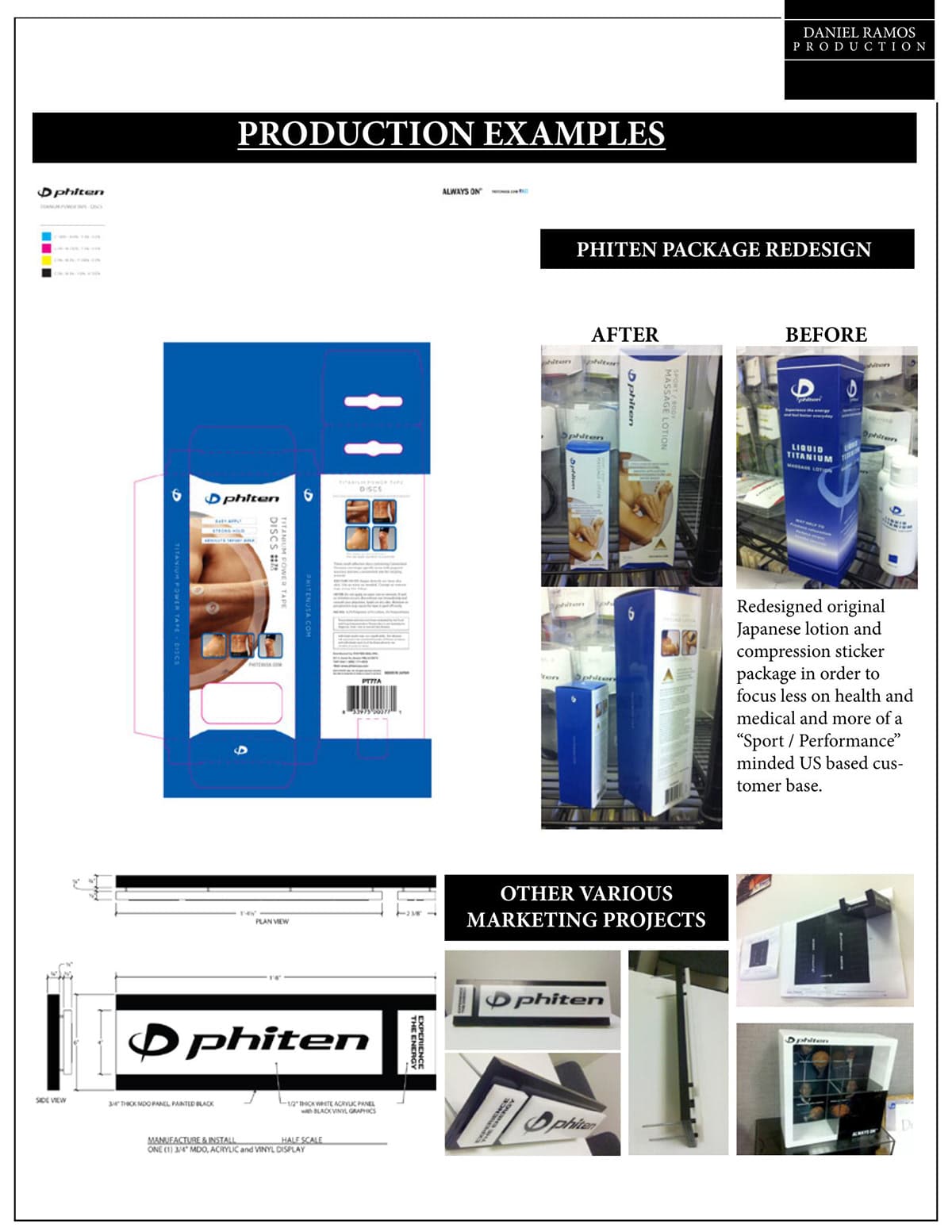
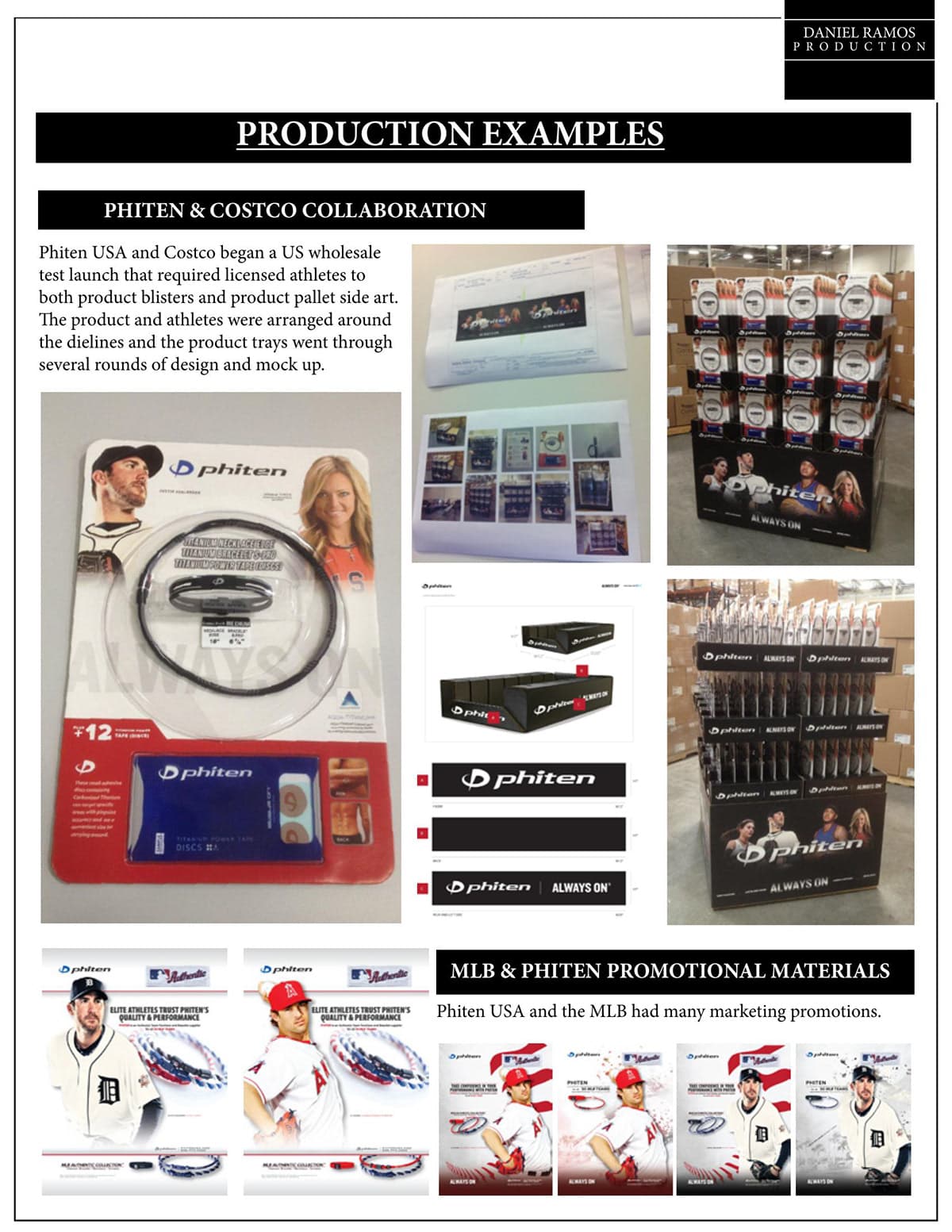
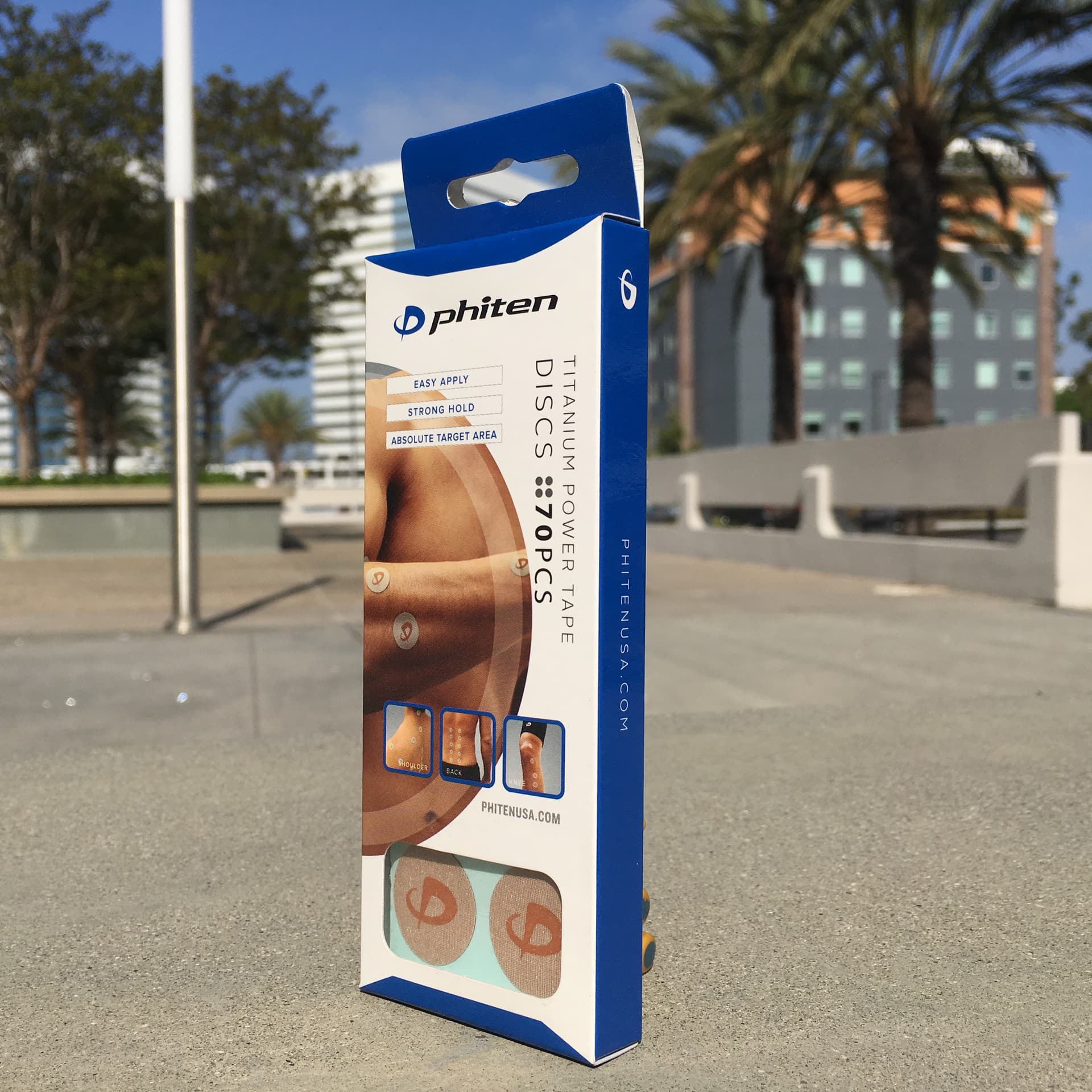
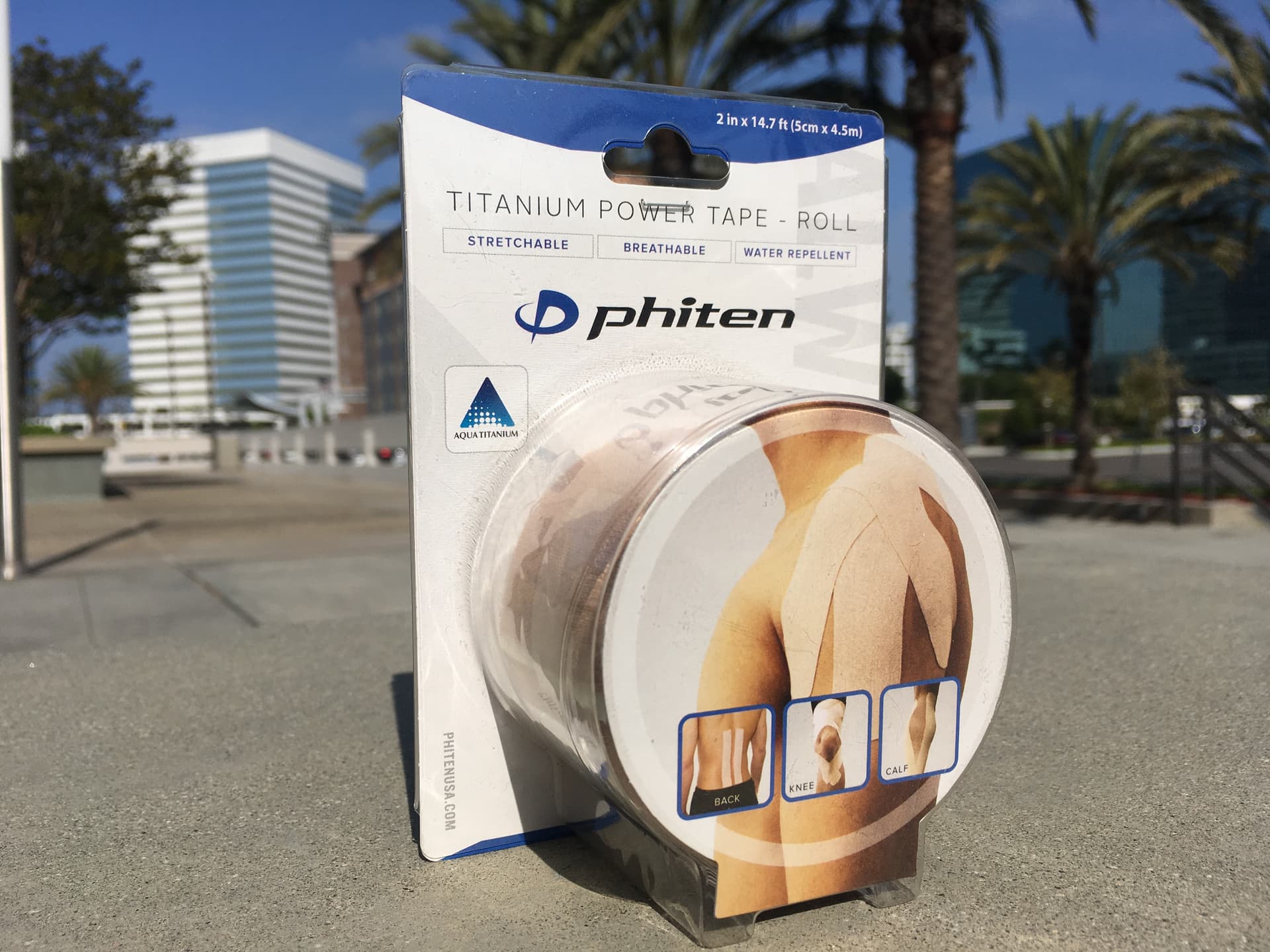
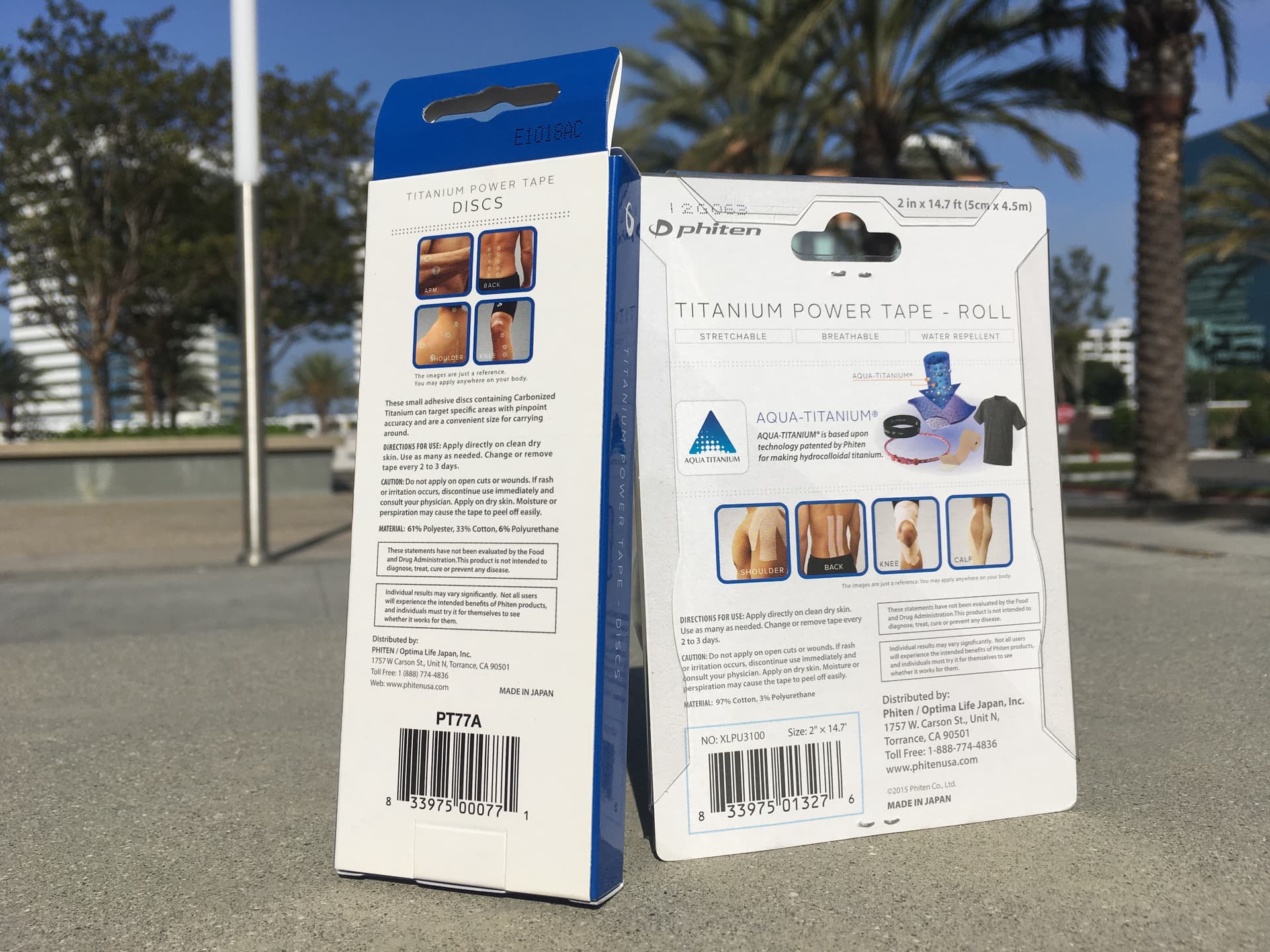
Very early in my career I performed extensive production work for Phiten USA, the American arm of the Japanese company Phiten. A major part of that work was taking products and packaging developed in Japan and adapting them into regional U.S. packaging appropriate for the American market — redesigning packaging mechanicals and production artwork, adjusting typography and information hierarchy for a U.S. audience, and preparing print-ready files to U.S. production specifications, all while maintaining brand consistency with the original Japanese identity. It meant coordinating changes to an established brand without losing what made it recognizable in the first place. I later built on that same relationship by spearheading a Costco trial-run initiative, preparing Phiten products for potential sale through Costco — taking that regional-adaptation work a step further into big-box retail readiness.
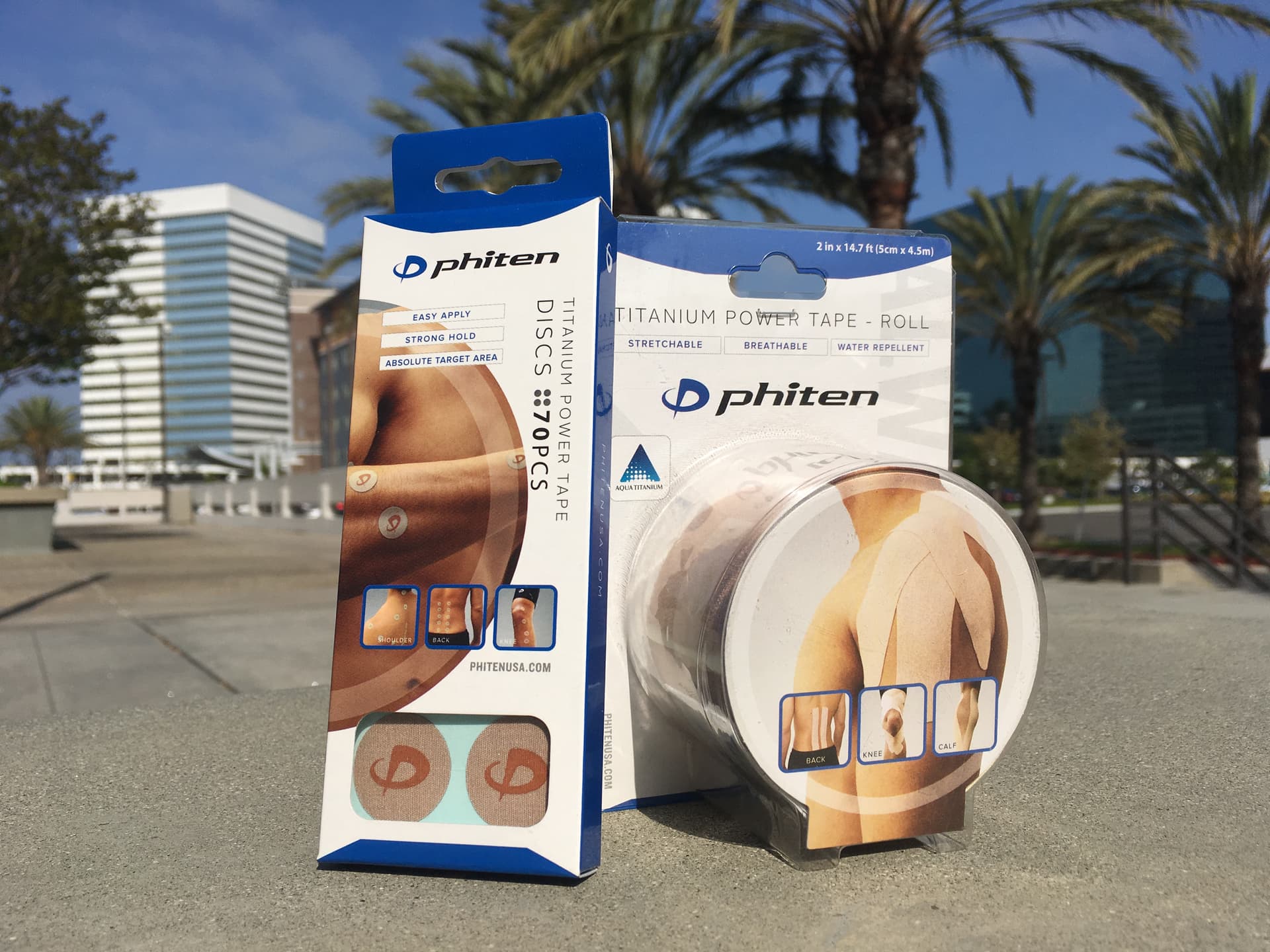
Phiten’s Titanium Power Tape line — the finished, retail-ready product that regional packaging and production work like this was built to support.
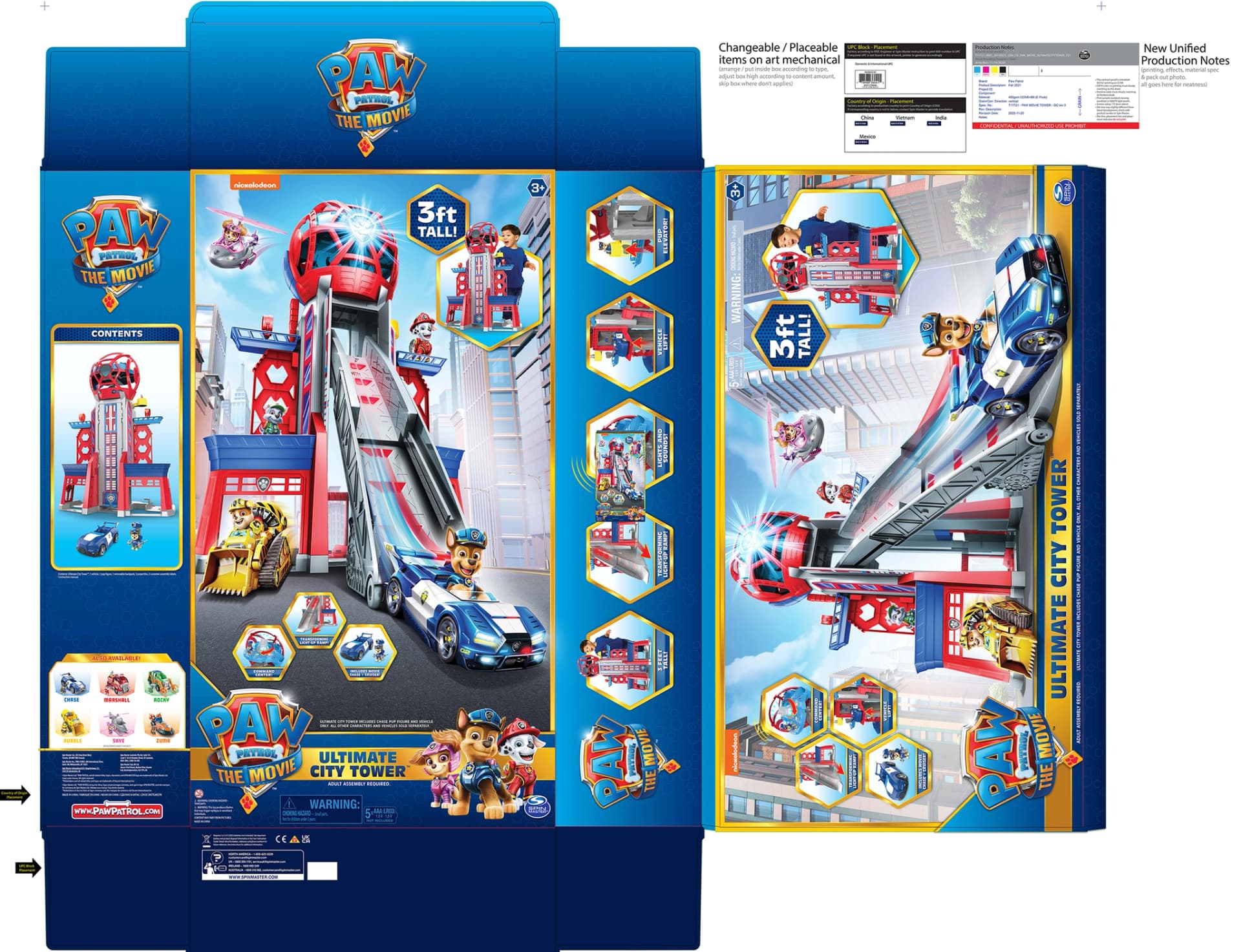
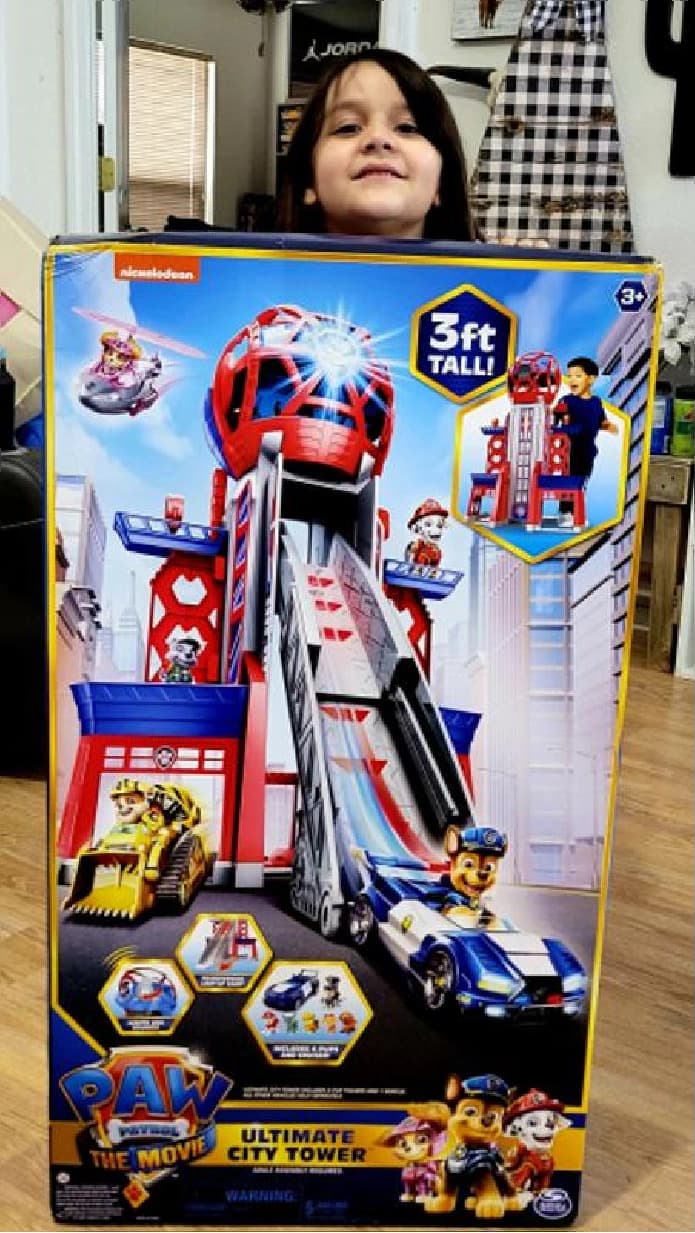
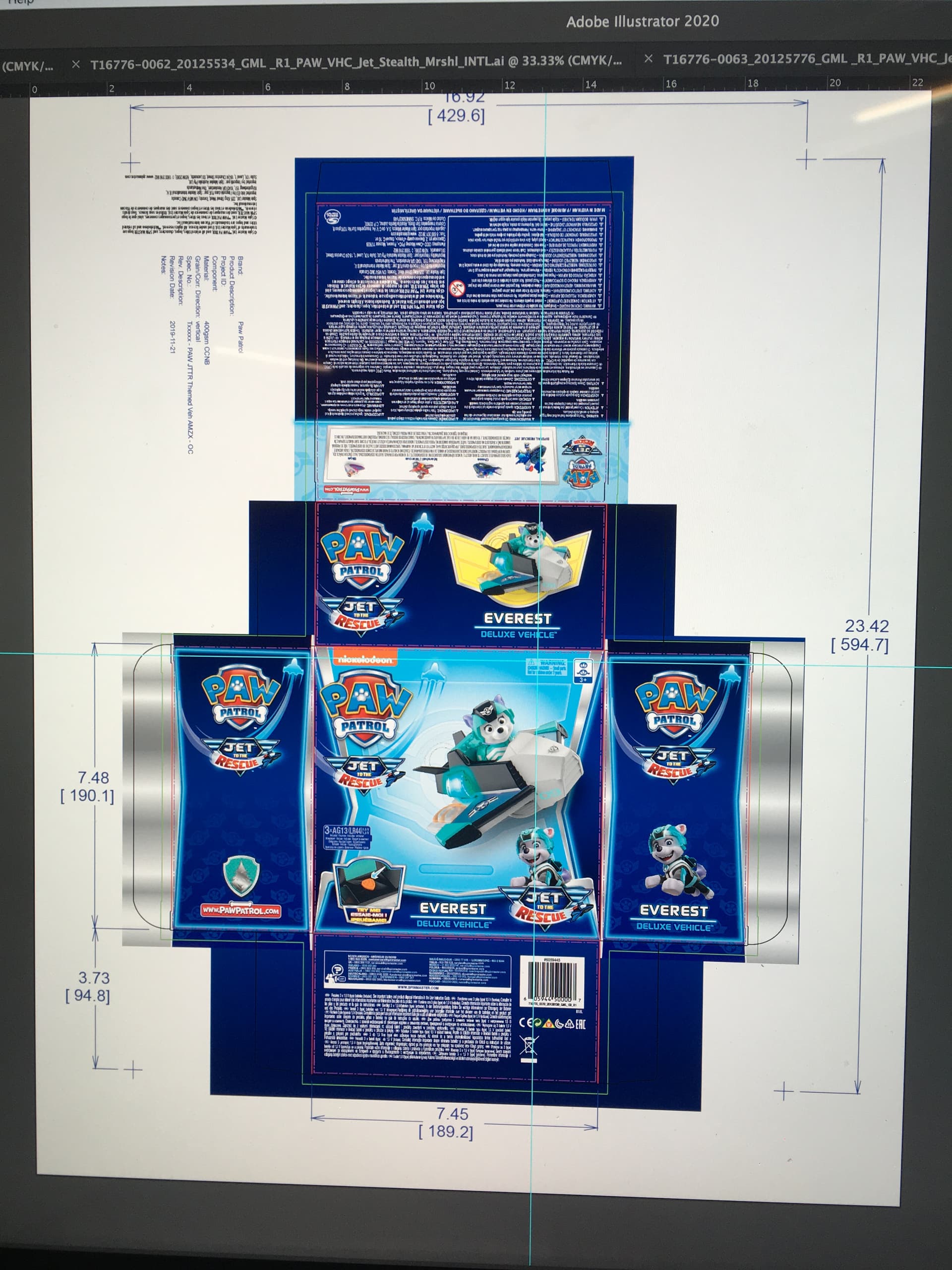
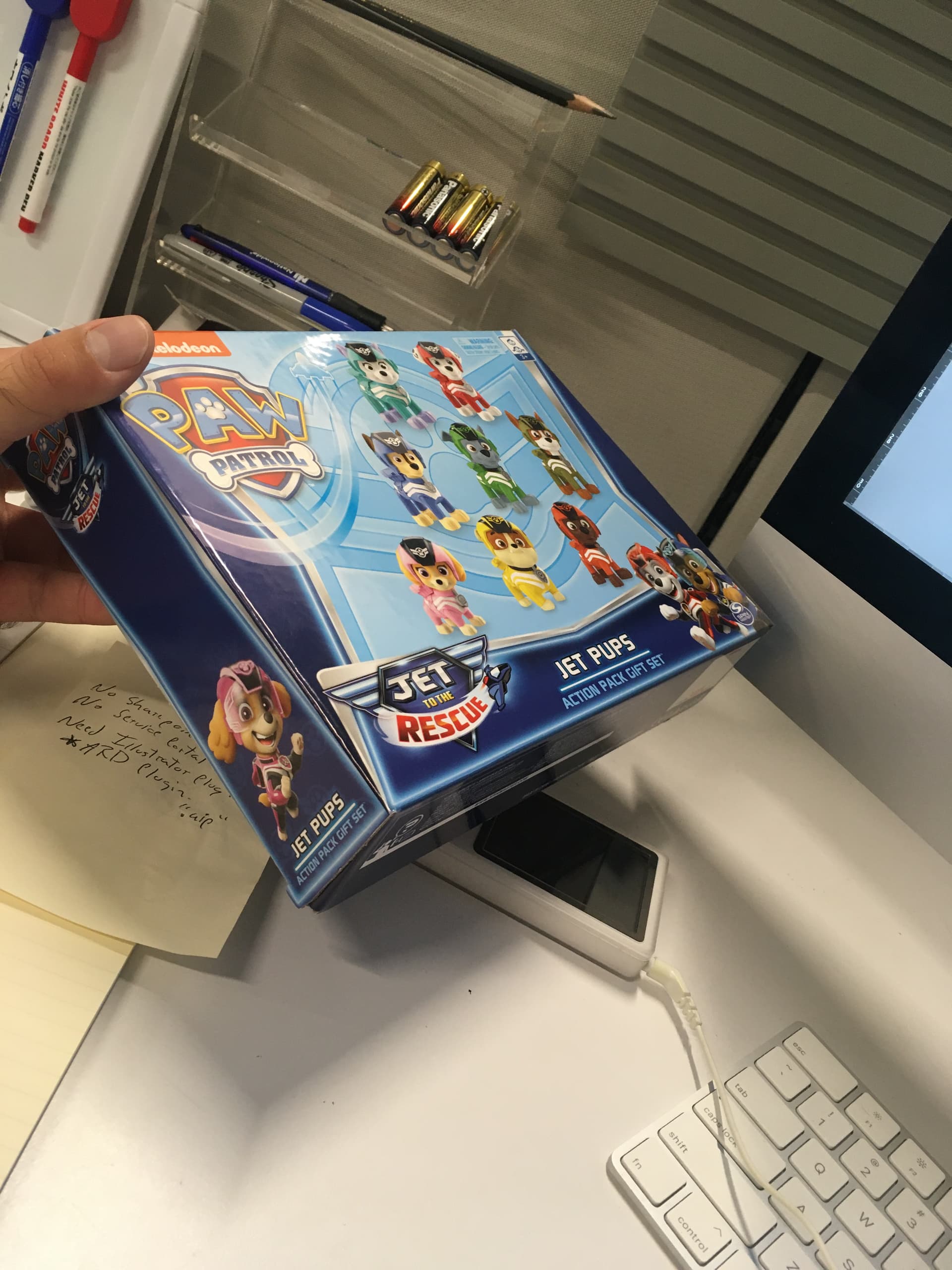
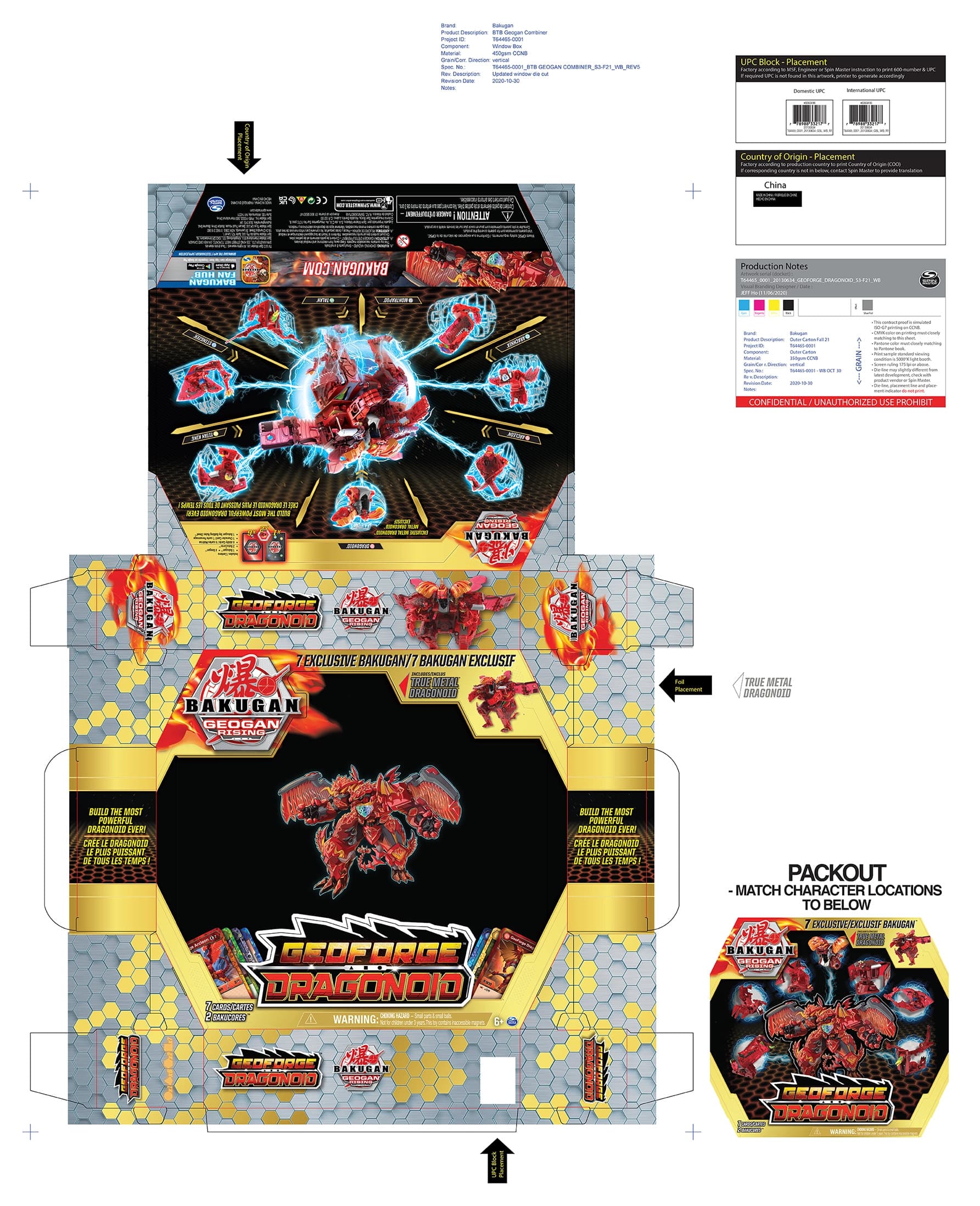
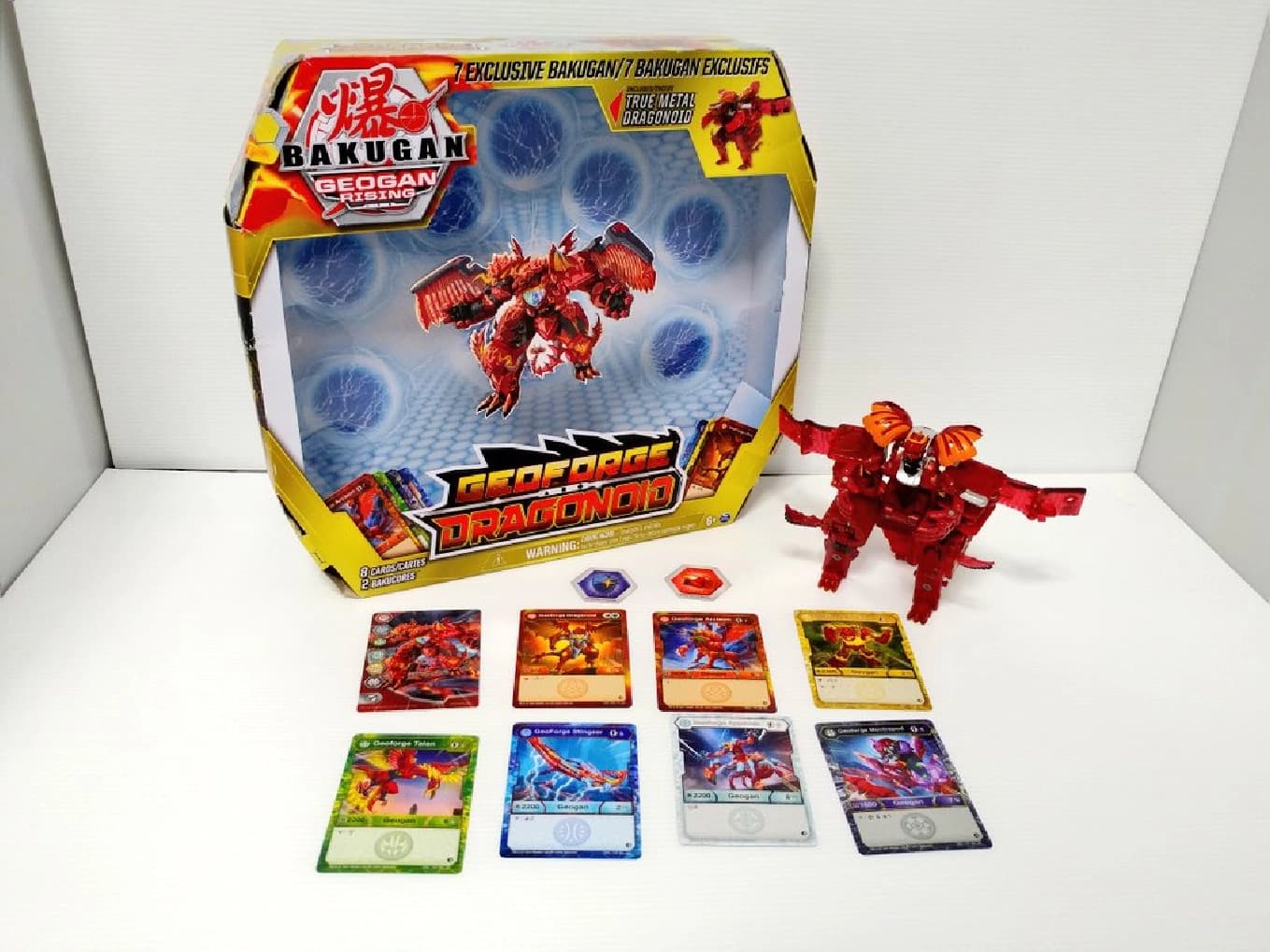
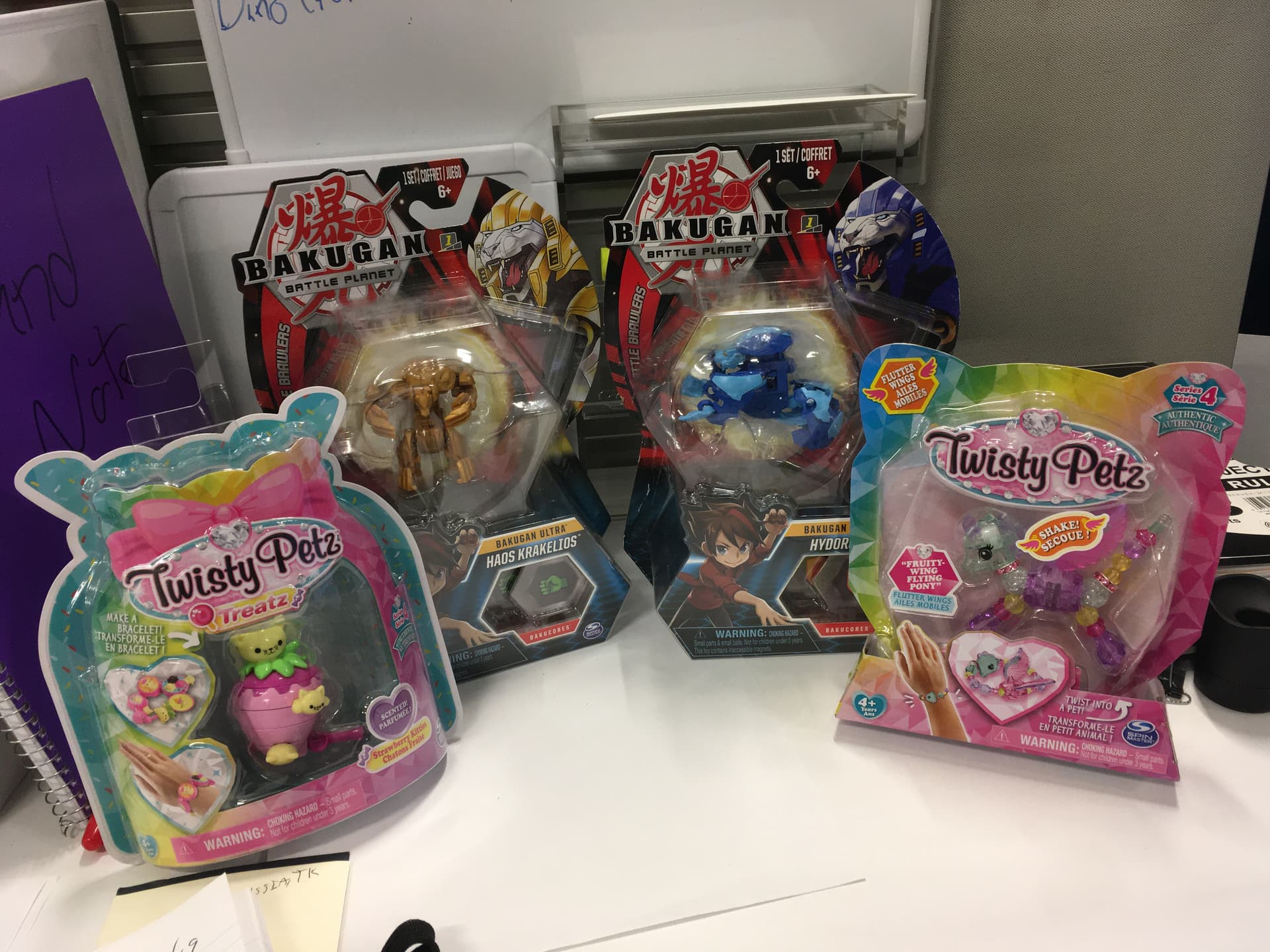
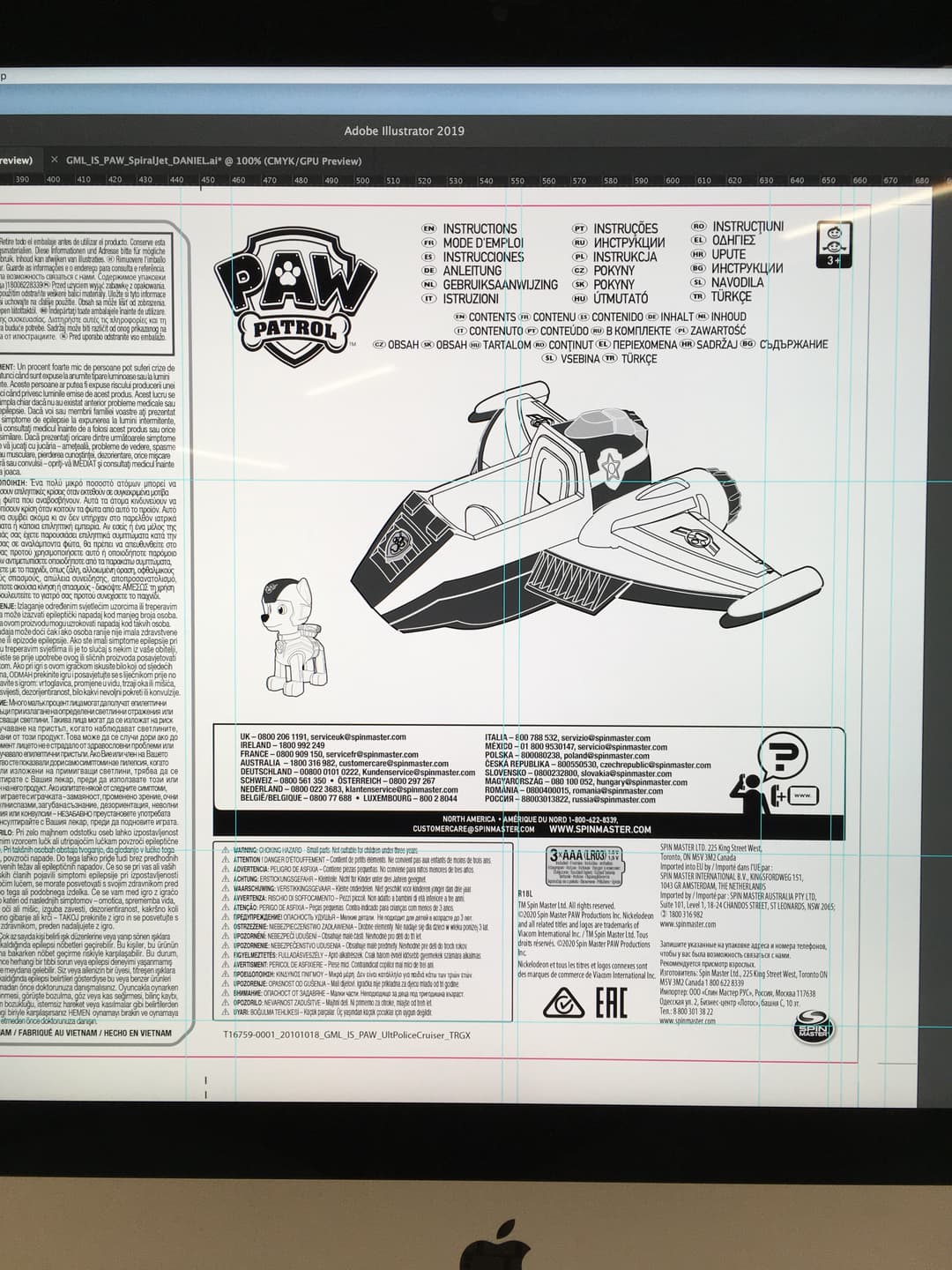
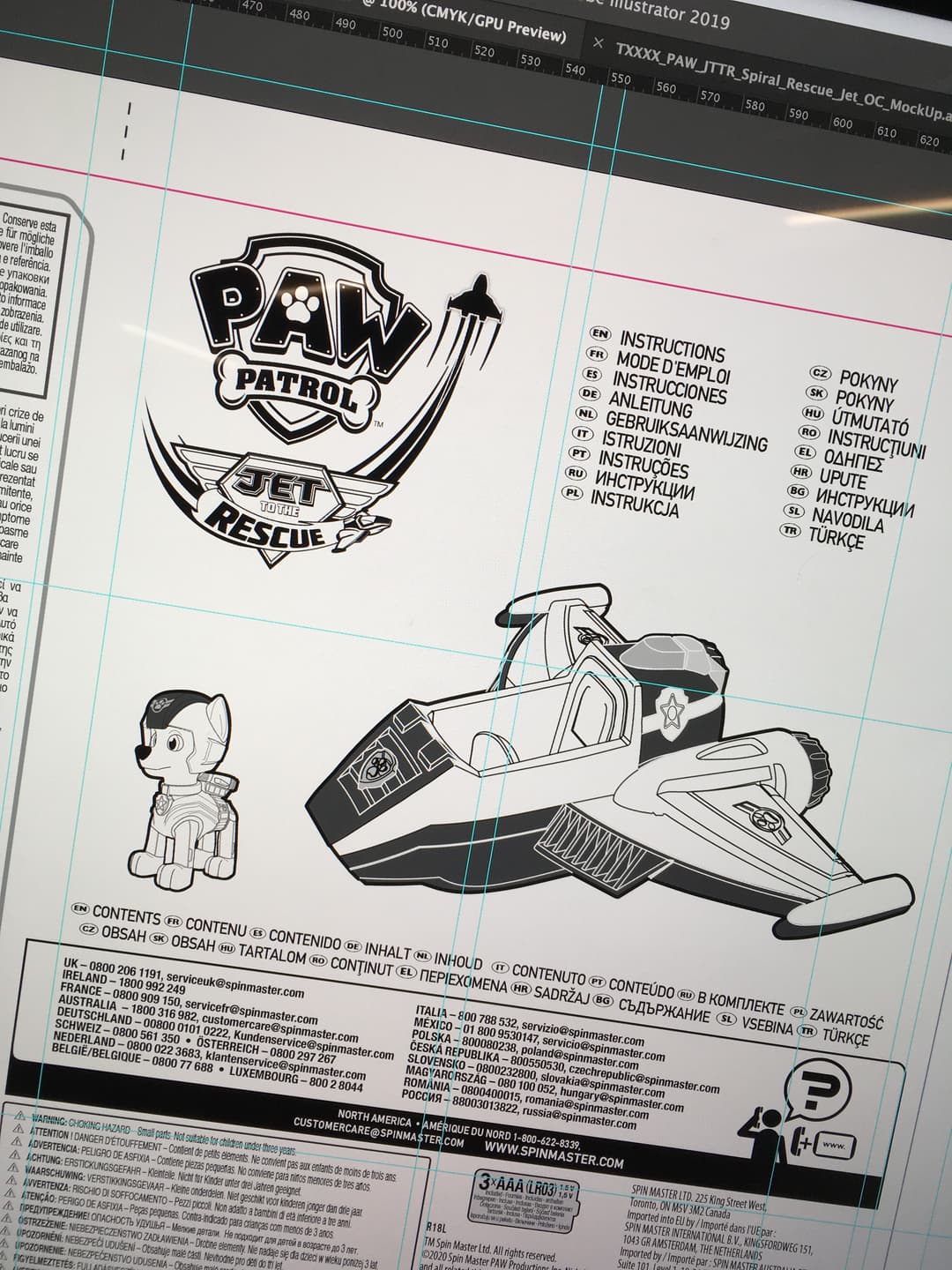
Extensive production work at Spin Master across Paw Patrol, Bakugan, and other licensed properties. What’s shown here is a representative sample, not the full scope: licensor-compliant mechanical artwork and the full path from pre-press file to finished retail package.
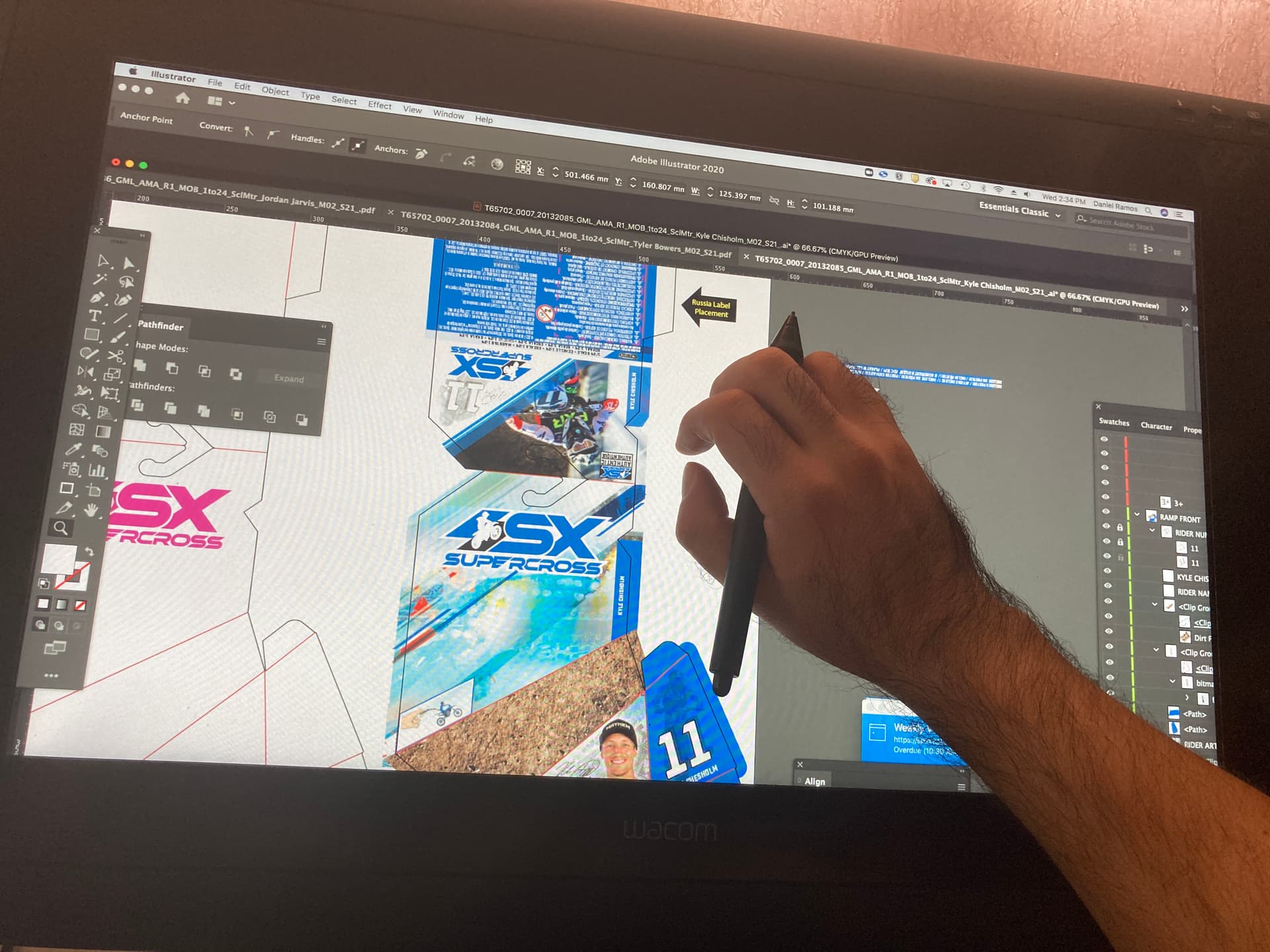
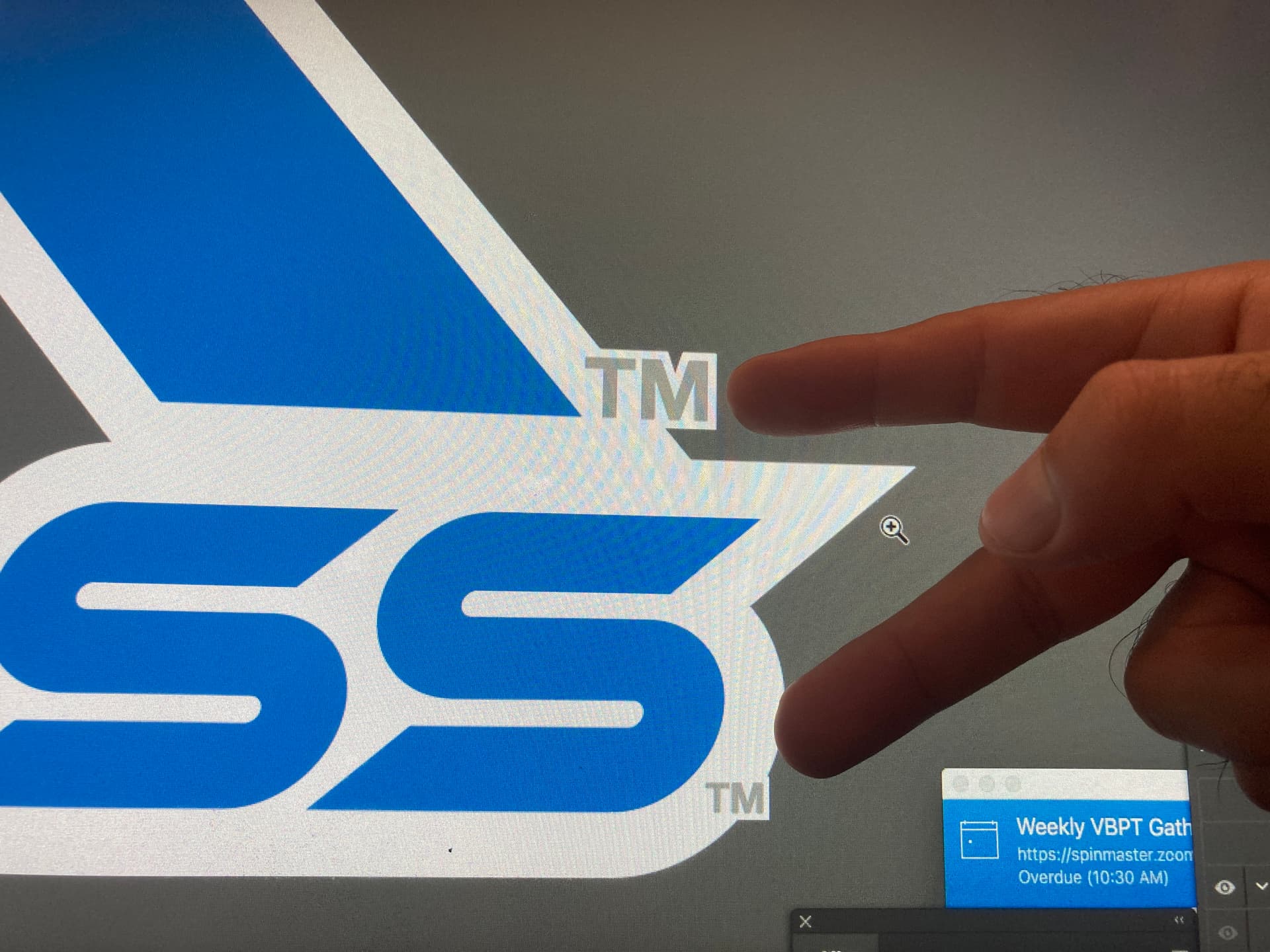
Licensed production work extended beyond Paw Patrol and Bakugan into other properties like Supercross motocross packaging, where brand consistency became an obsession — verifying trademark placement, color, and typography down to the pixel across every territory’s label, and handling the legal and visual standards each market required.
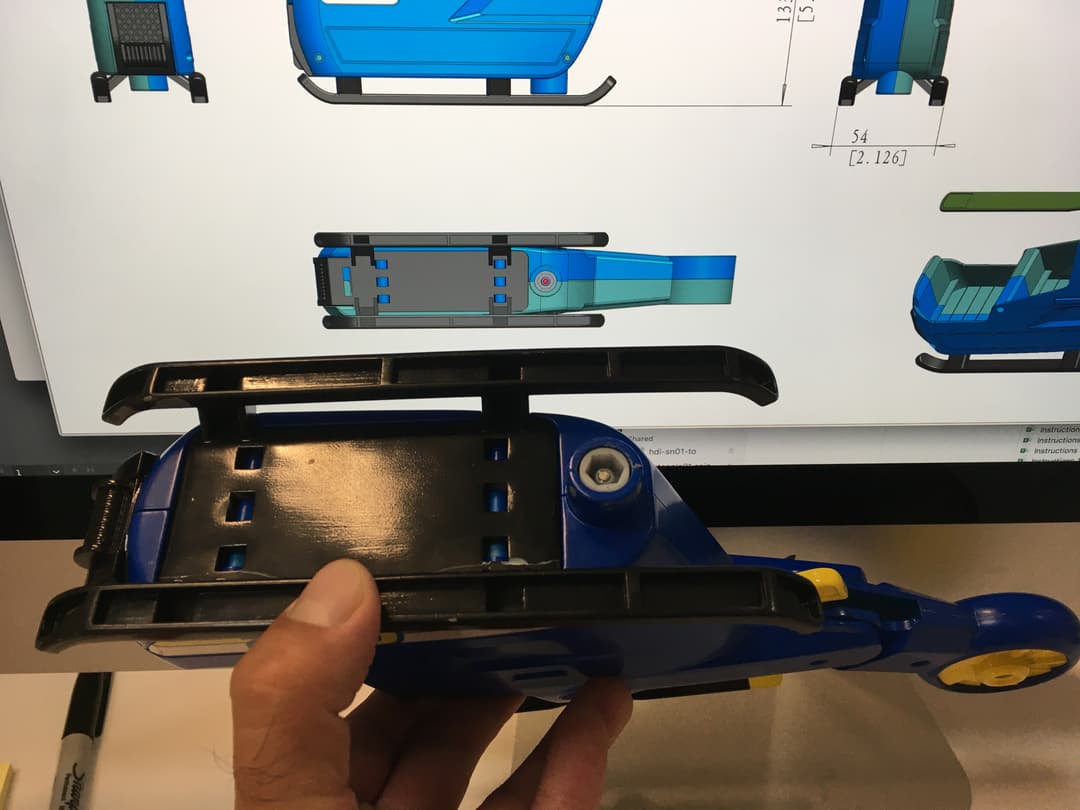
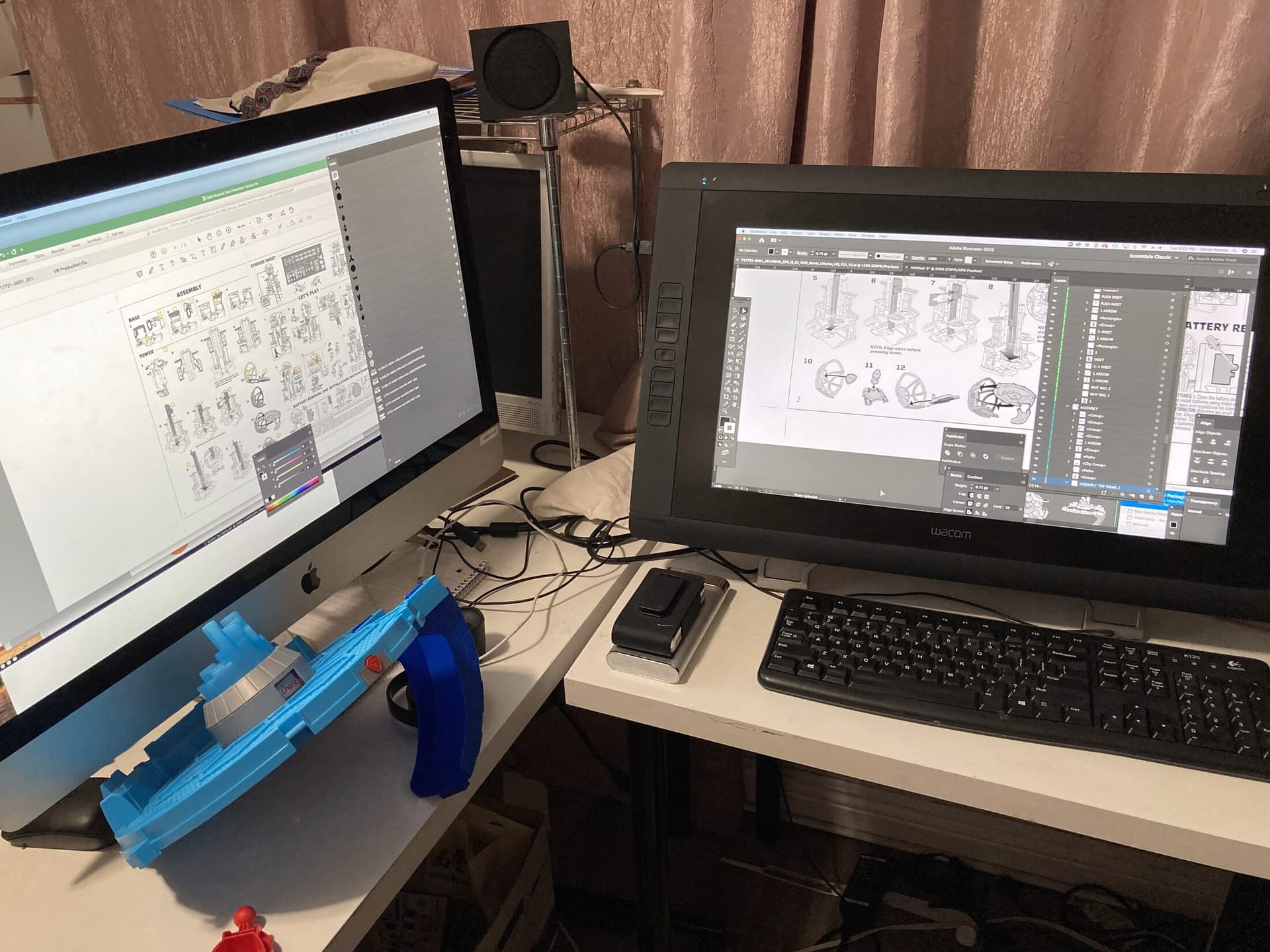
Licensed toy production also meant writing and producing the instruction manuals and safety documentation shipped inside the box — multilingual assembly instructions, regulatory warnings, and compliance content translated and formatted for a dozen-plus markets at once, plus hands-on QC checking finished physical samples directly against the CAD models they were built from. This is the same discipline, at smaller scale, that later became the enterprise technical documentation work shown on the Technical Documentation page — multilingual accuracy, legal compliance, and production precision carried from toy packaging into automotive manuals.
Standing banners produced for Josh Wax / Big Boxes — large-format production built for trade show presence, prepared to exact print specifications and output tolerances. A separate body of work from the Spin Master and Slap Hub projects above and below — included here to show the same production discipline applied to large-format event graphics.
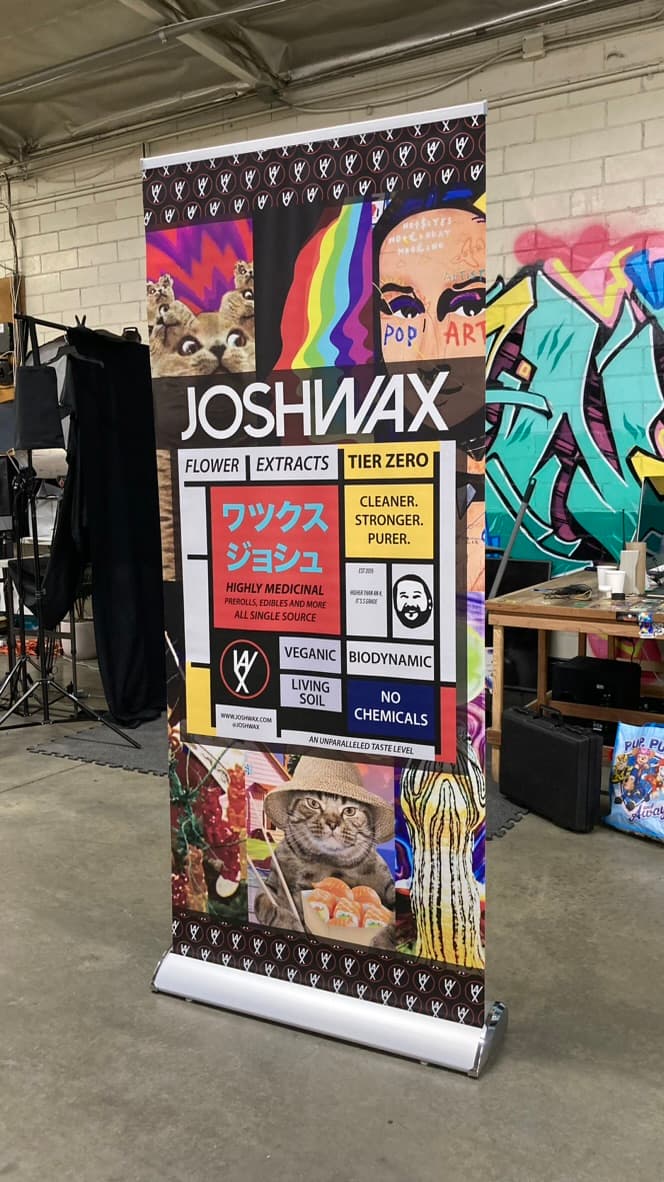
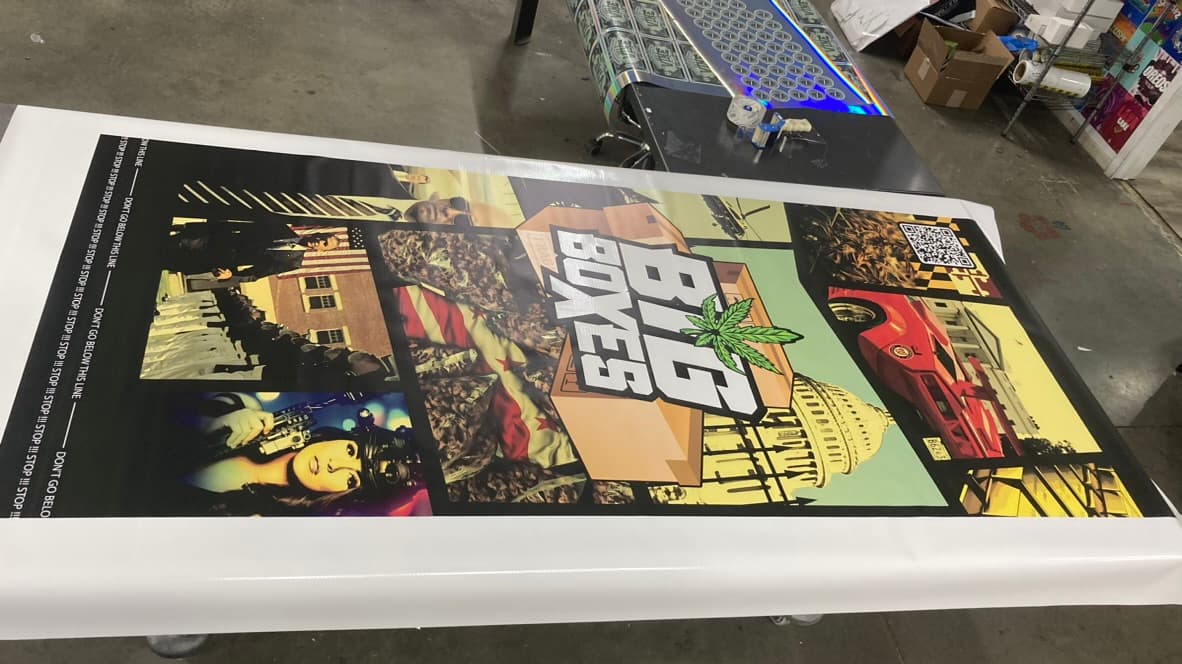
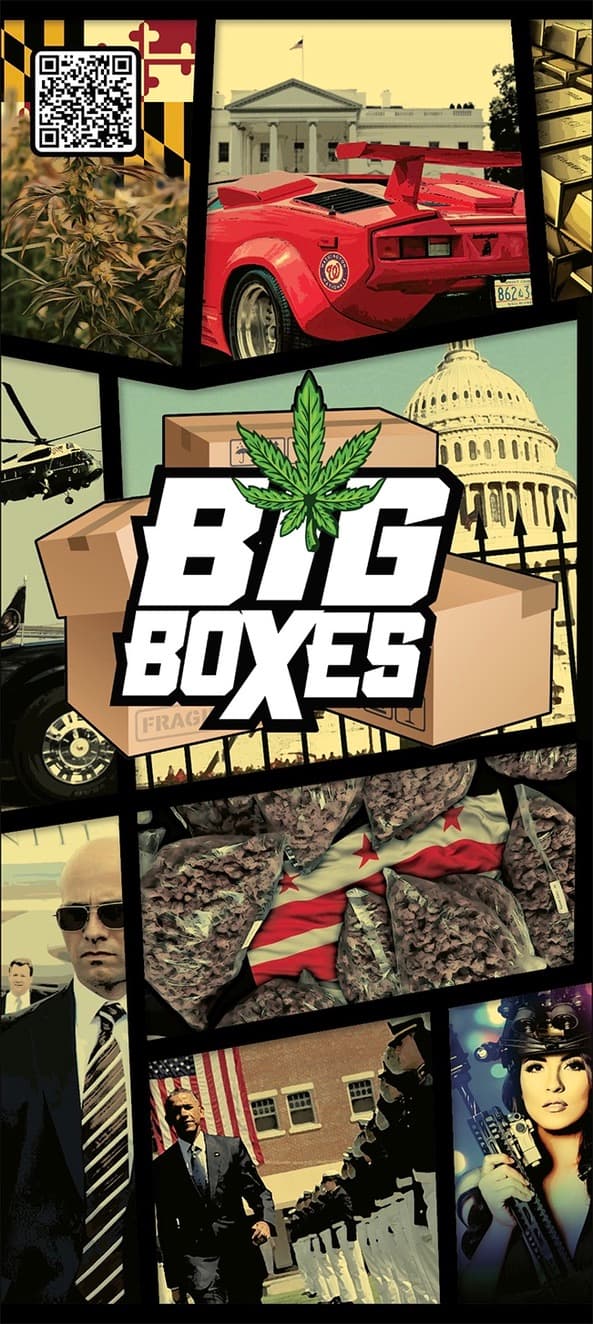
Cannabis-category production work performed on behalf of Slap Hub, which served as the production context for the various individual cannabis brands shown here — including JoshWax and Bonsai Tree Co — Slap Hub handled the client relationships; I handled the production. That work included label and packaging production, prepress and print-ready mechanicals, and specialty finishing setups involving holographic effects and spot UV, all built to the precise specifications and proofing standards each brand required.
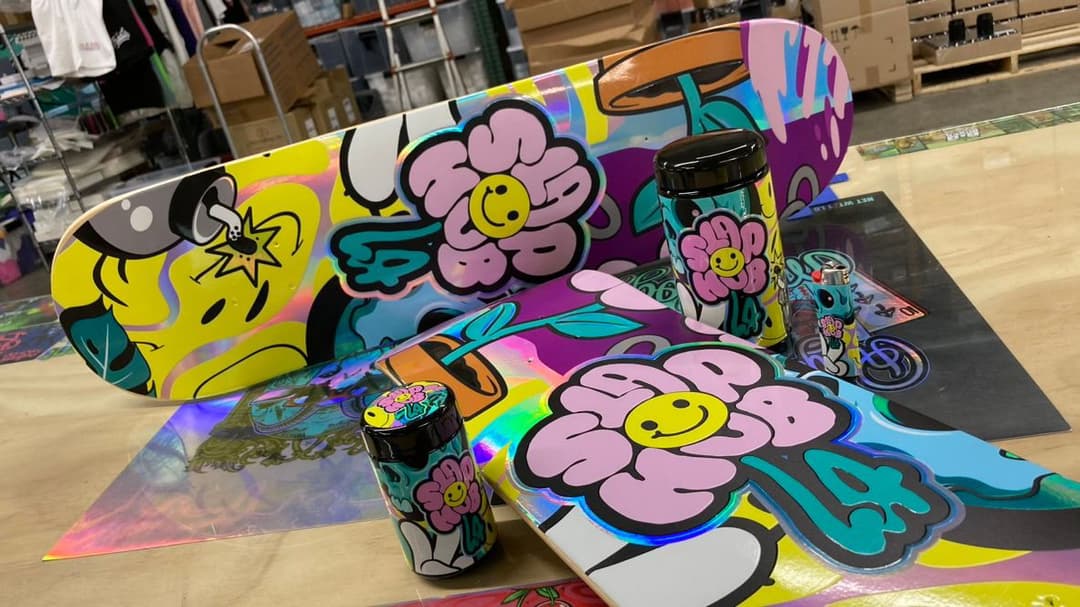
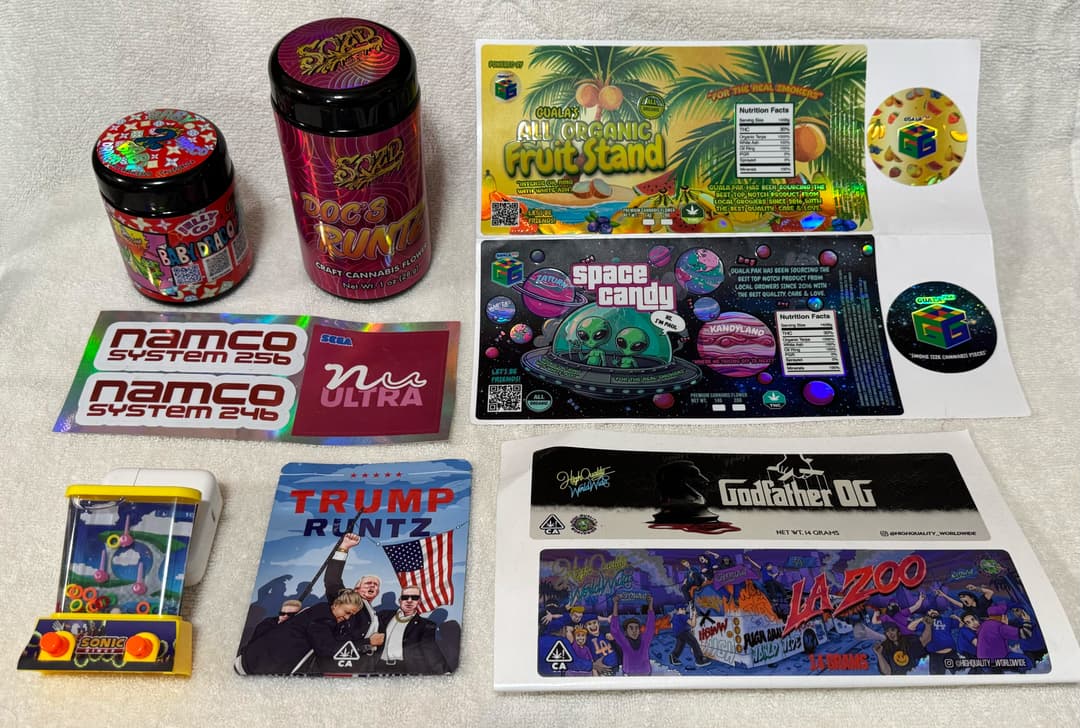
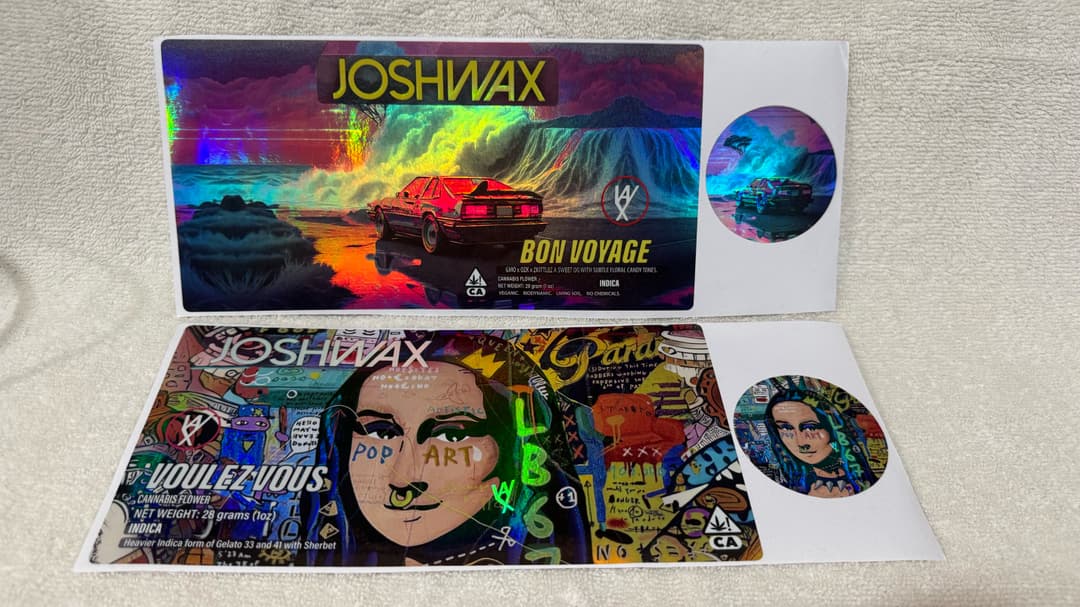
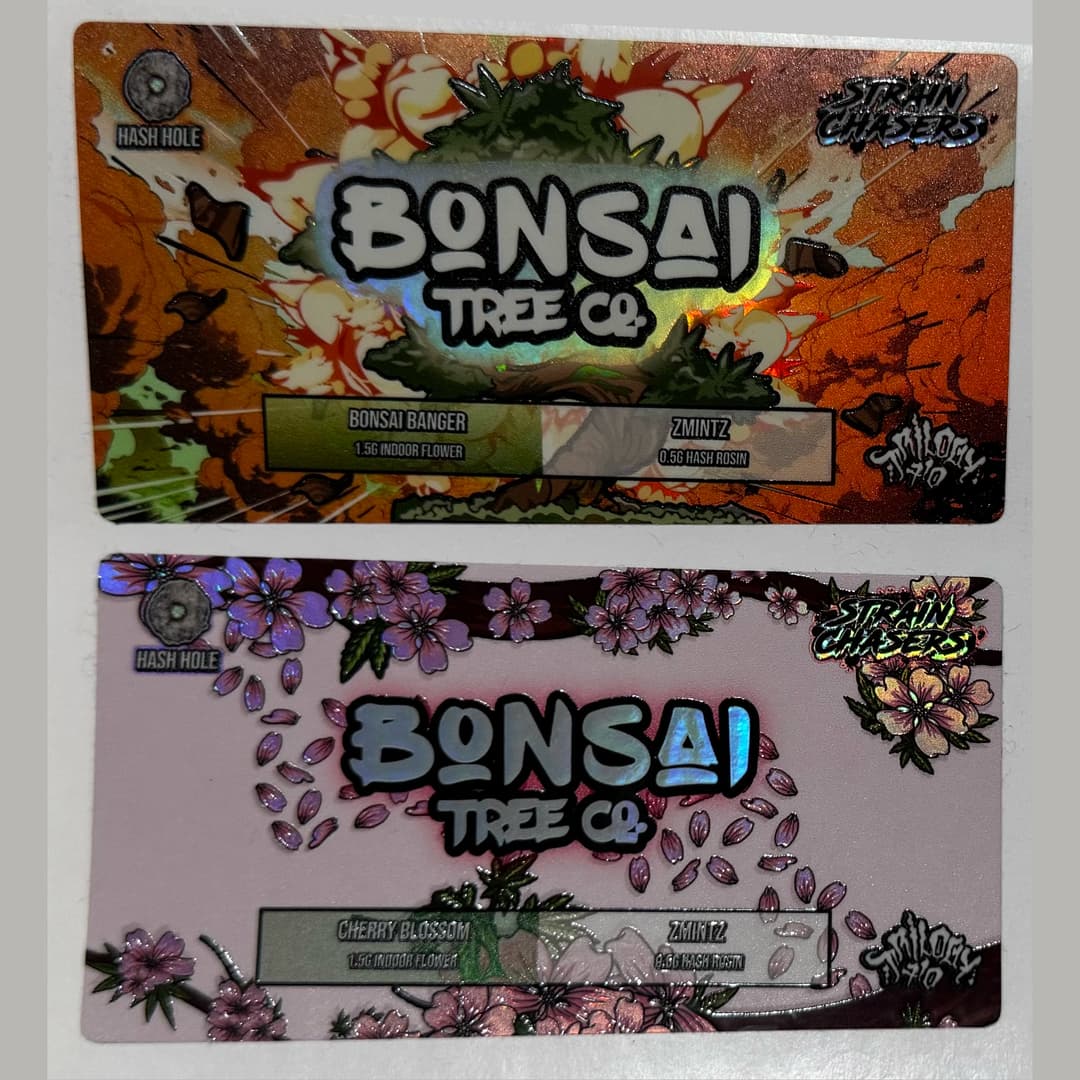
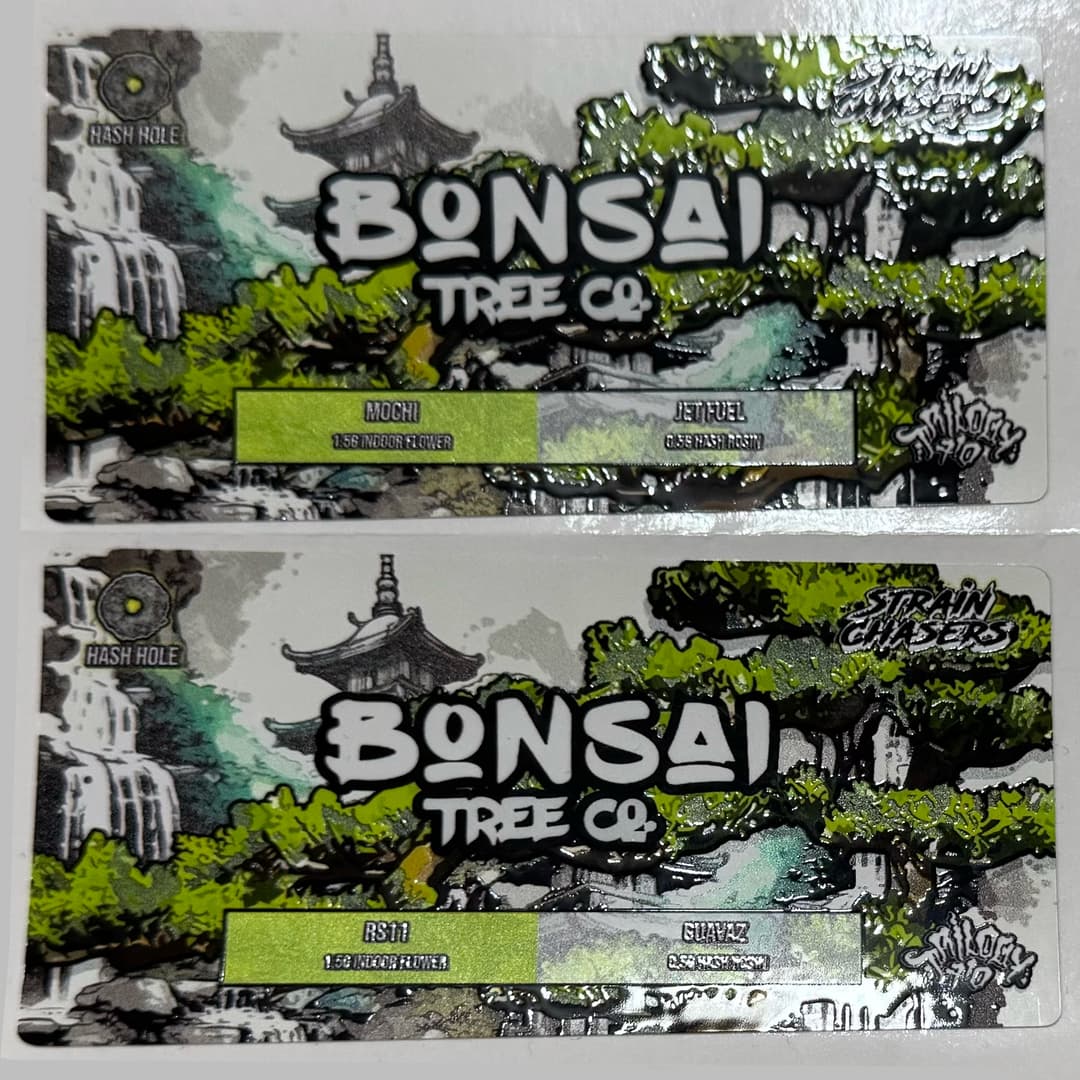
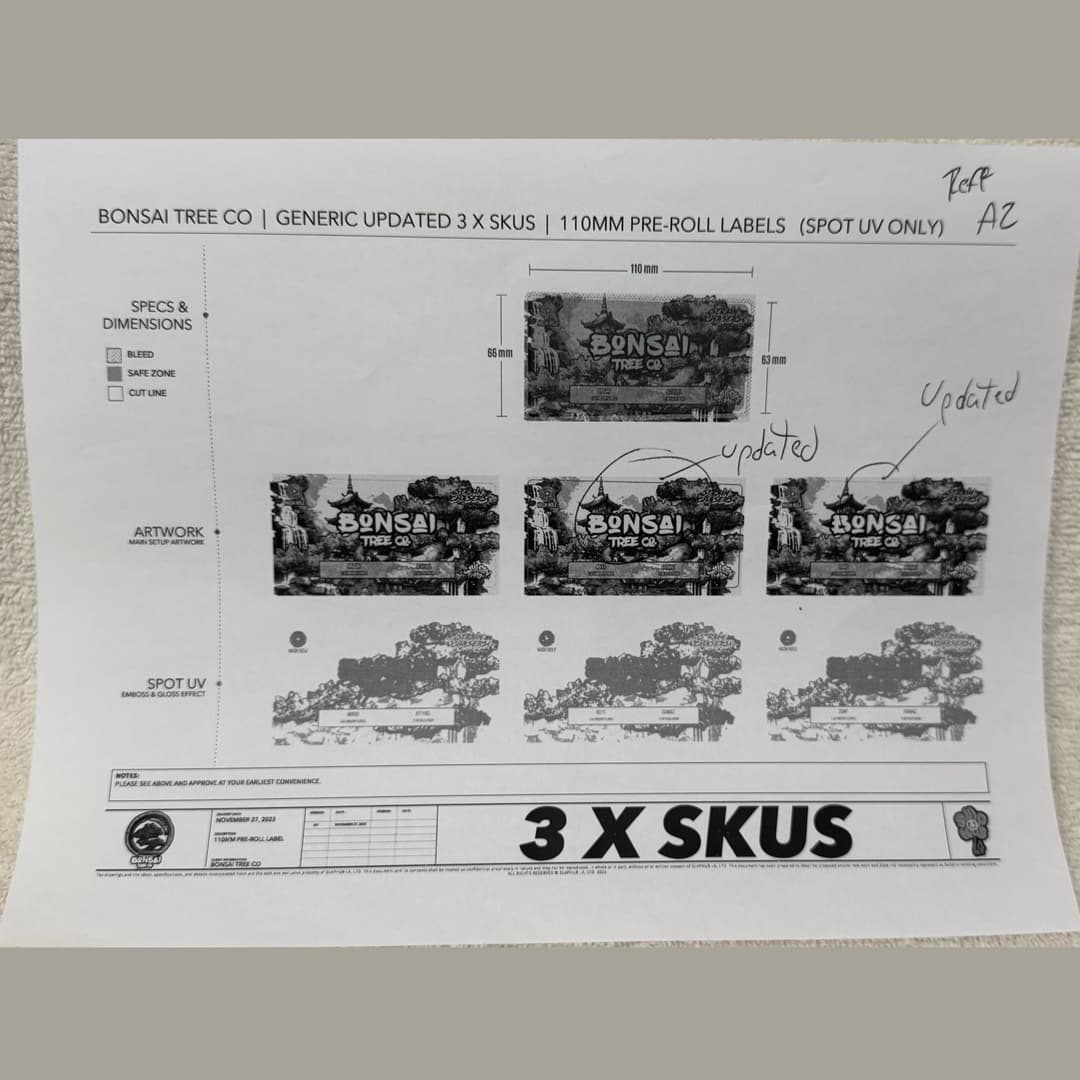
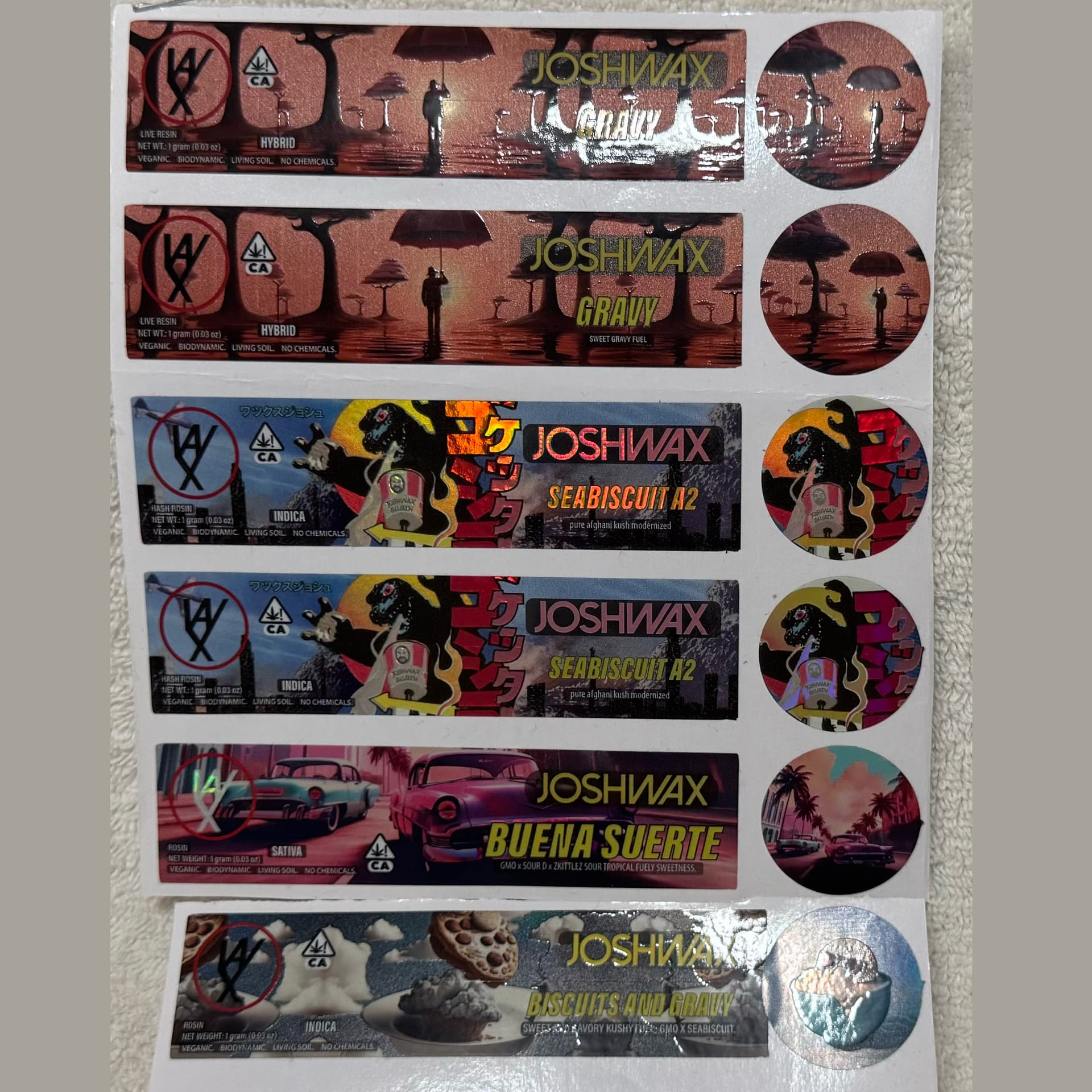
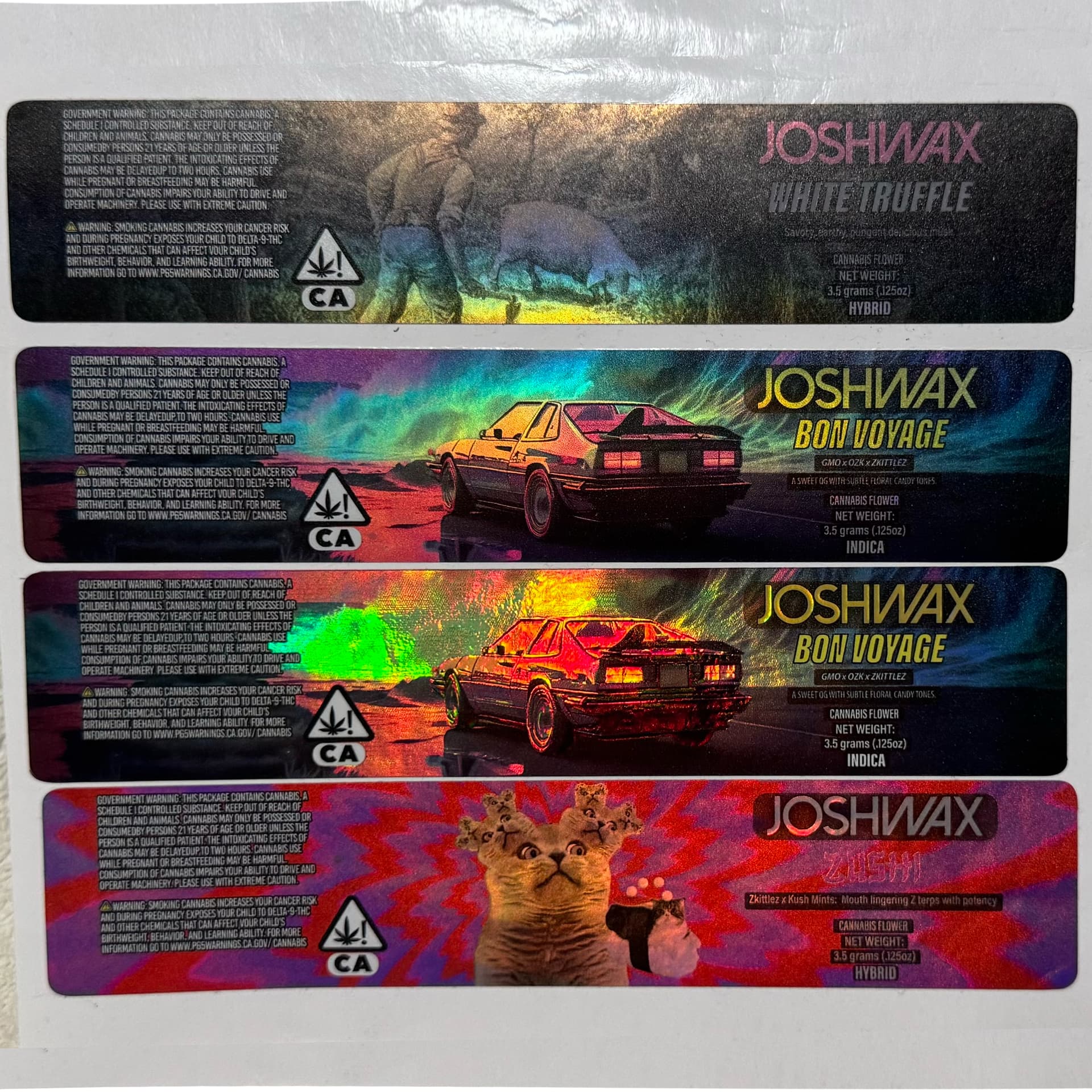
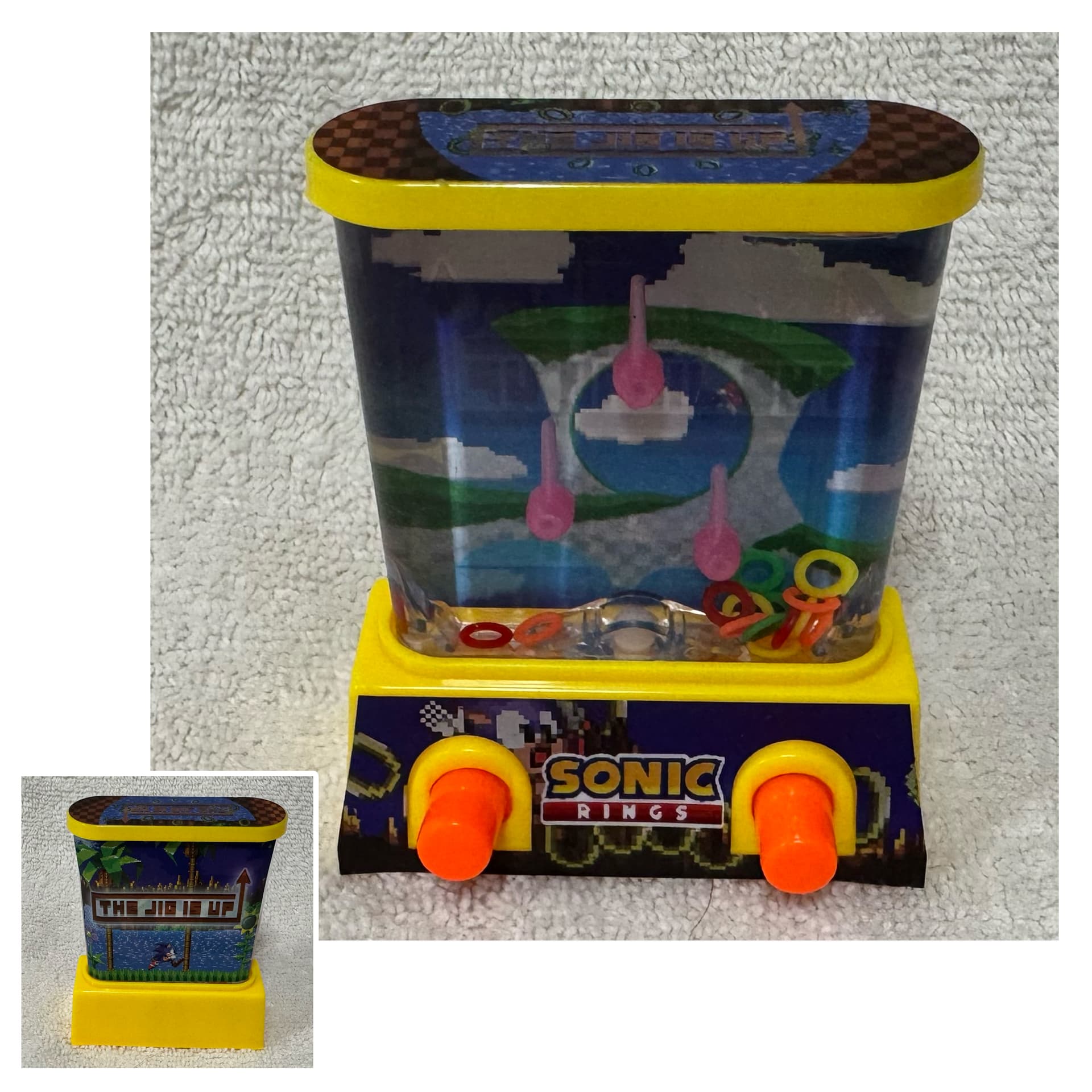
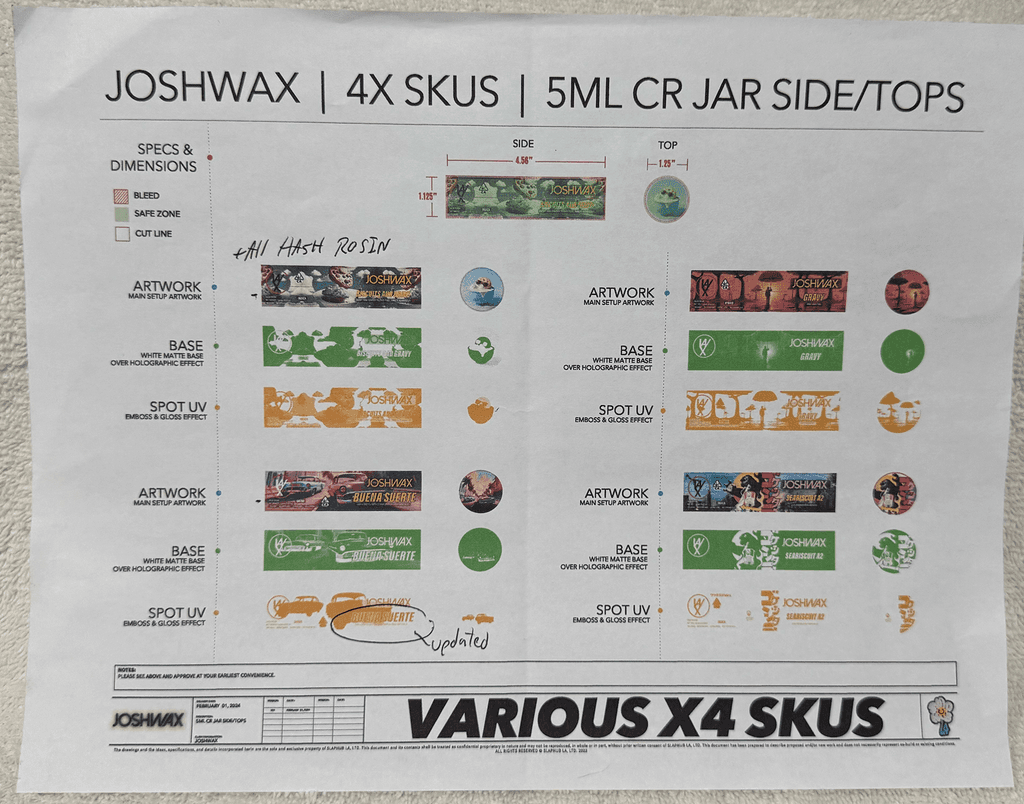
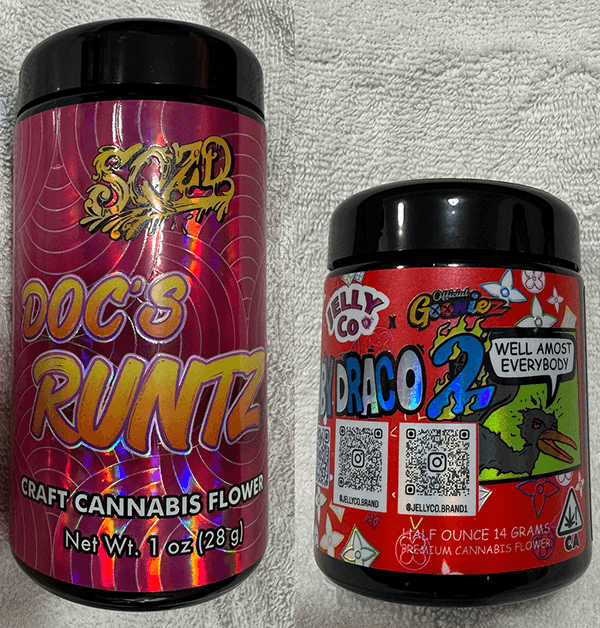
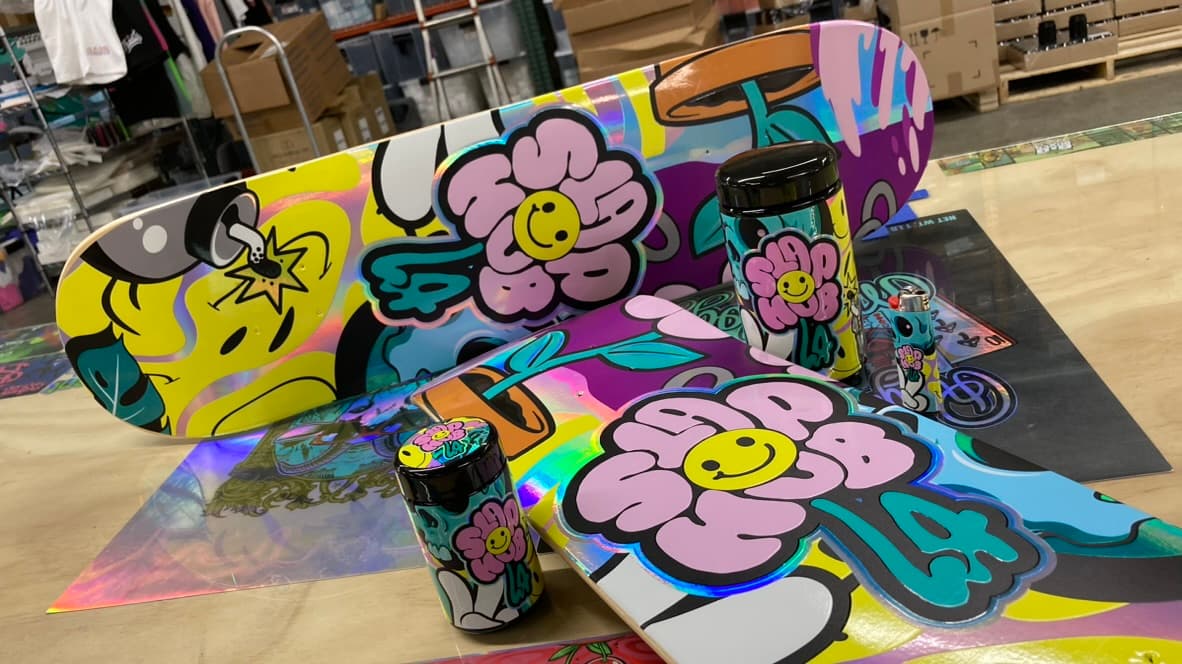
A separate stream of Slap Hub work went beyond packaging entirely: measuring physical spaces and objects, preparing artwork to exact dimensions, and producing wraps and other graphics used across numerous industry trade shows and events. Alongside that, I handled ongoing production coordination for the various brands relying on Slap Hub — making sure every deliverable was built accurately and to specification.
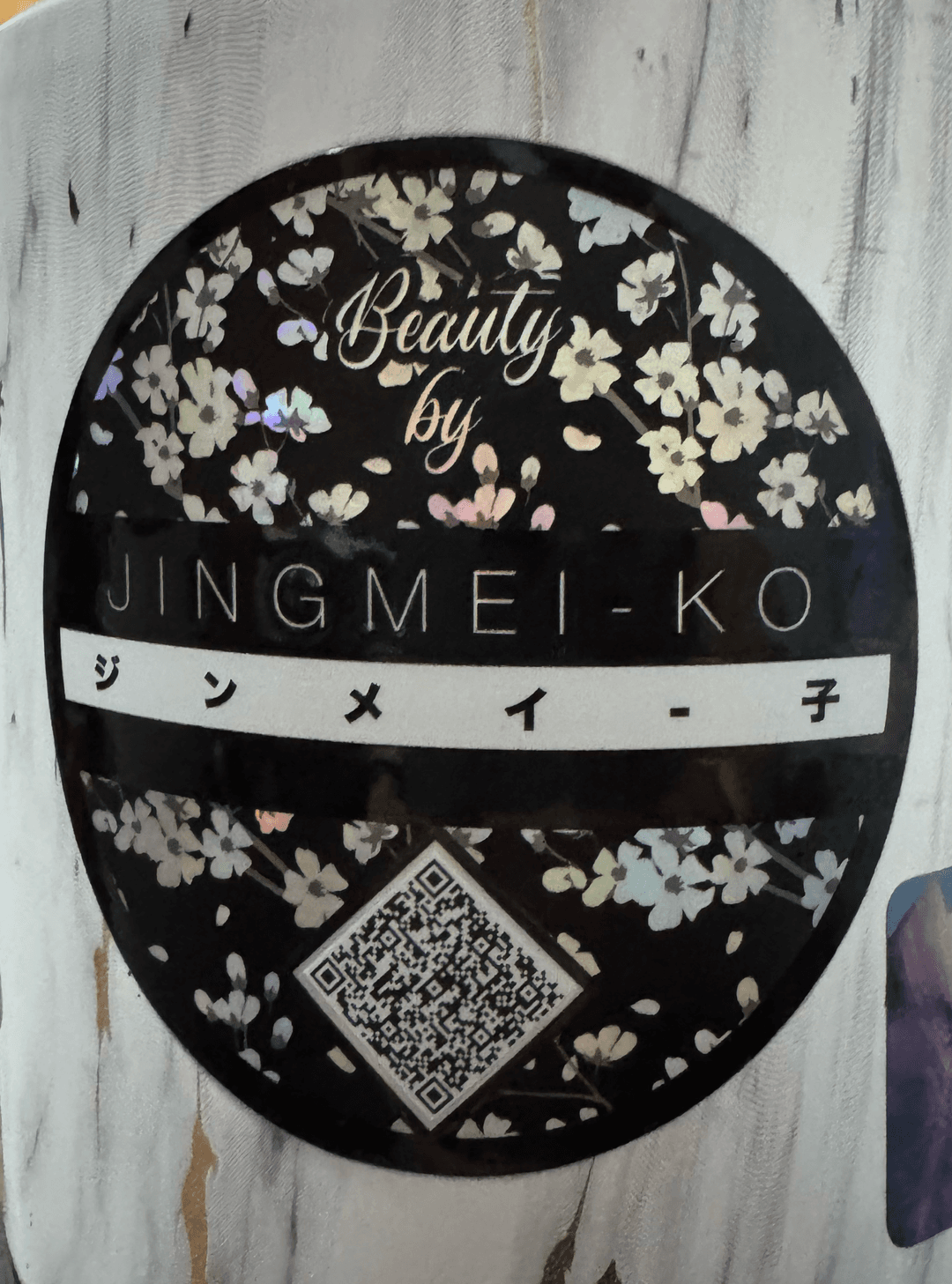
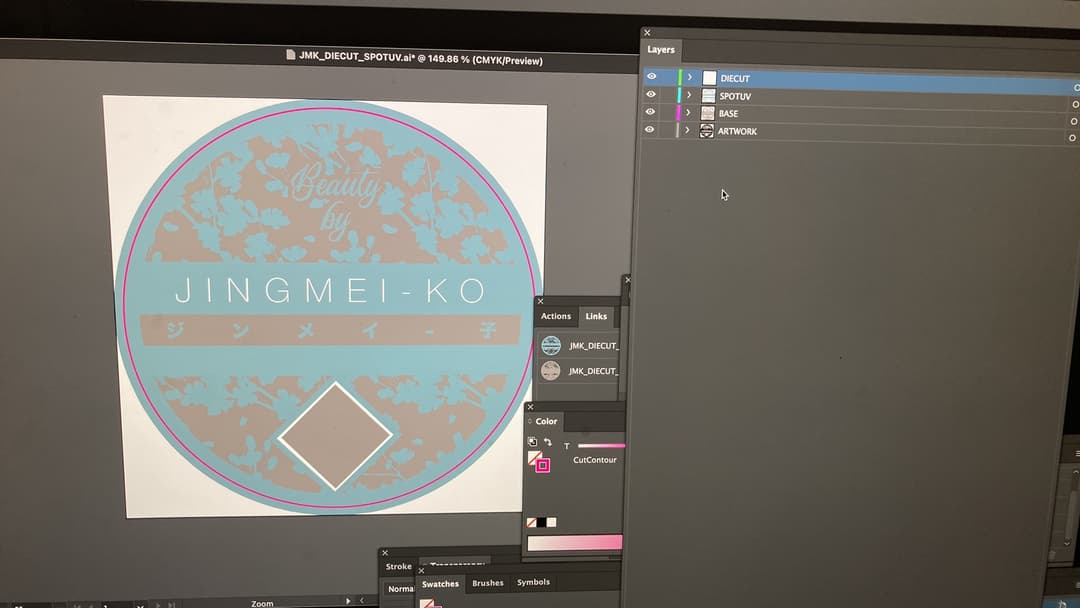
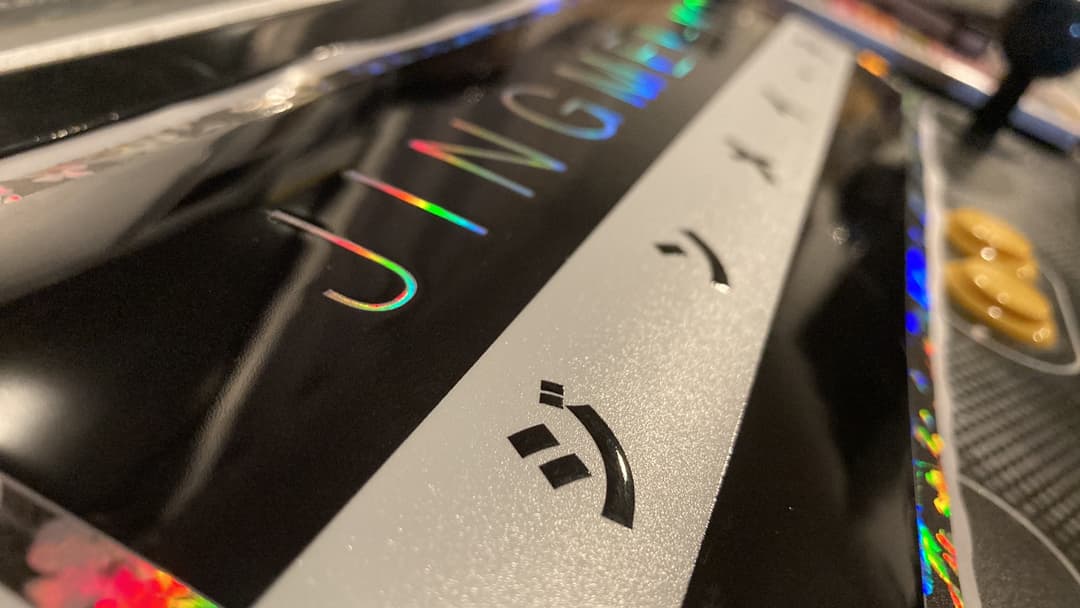
Beauty by JingMei-ko is where I’ve orchestrated this same production skill set more broadly for a single business — including the holographic foil sticker and spot UV decal production shown below. Holographic and spot UV production isn’t isolated to one project: it’s a capability I’ve applied both here and to the Slap Hub cannabis-brand work above, where those brands wanted specialty finishes to elevate their physical presentation. The technique carries across industries; the brands themselves are unrelated. The full site build is covered separately, and the dimensional signage work has its own case study.
The Candi Factory, one of the cannabis brands produced through Slap Hub, needed fast, print-ready packaging art for its 1lb bag product line. The same production system was extended using AI-assisted concept art under strict brand specs and prompt controls, finished by hand in Illustrator for print — the discipline stays identical, AI just shortened iteration time. Full breakdown on the AI-Powered Creative Content page.
See the AI-assisted branding work →